Linda Fiorentino: Hollywood's Real Life Femme Fatale
This '90s indie darling is the prototype for "difficult," but is it deserved?

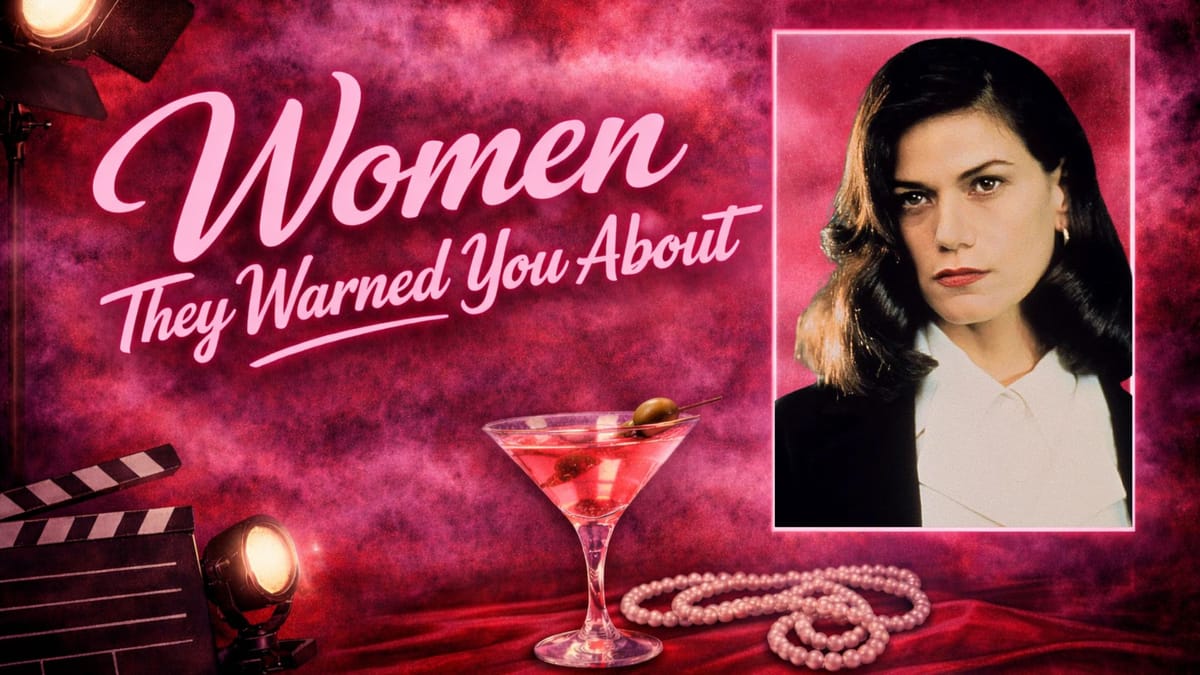
Women They Warned You About is an ongoing series focused on Hollywood misogyny and how the term "difficult" has been used on women in the entertainment industry for decades. Each article spotlights a different woman, tracks her career, and how the term changed the perception of her in Hollywood.
This in-depth, highly researched series is exclusive to Gold level Film Maven subscribers. Paid subscribers are the backbone of The Film Maven. Paid Film Mavens get access to one-two exclusive articles a week including access to this series as well as The Trade and Popcorn Disabilities.
"I have this terminal condition called bitchiness." –Linda Fiorentino.
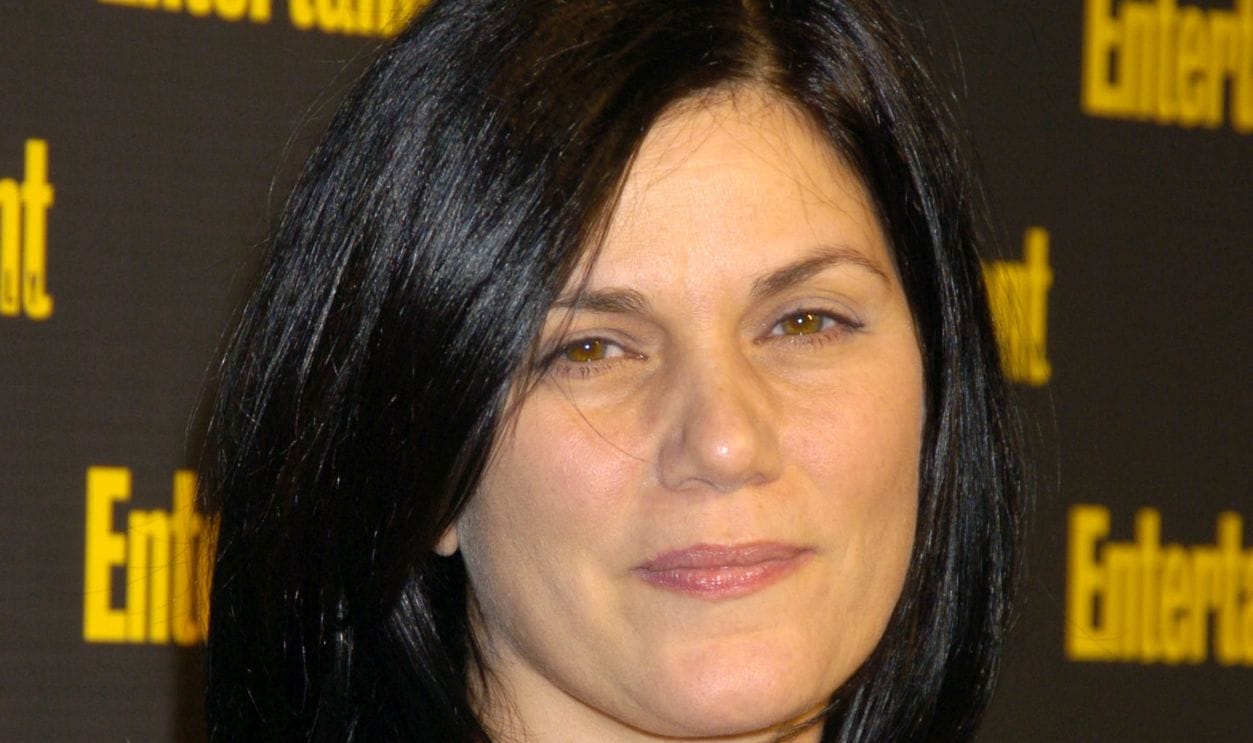
Back in 2018, when I wrote my initial article on Hollywood's difficult women for Roger Ebert, the first name that popped into my head was Linda Fiorentino, the smokey voiced actress who attracted my attention in Men in Black (1997) and Dogma (1999). It's funny, but those two movies feel like the least Fiorentino-y movies she made during her time in Hollywood.
No doubt to those who'd watched her in dark erotic thrillers like The Last Seduction (1994) and Jade (1995) the two above films might have been deemed selling out. Yet by 2000, Fiorentino's once shining career was over (she'd make two more movies with little fanfare) and audiences were left to ask why. What happened to Linda Fiorentino and why did her career take what feels like, on paper, such a precipitous nosedive?
Hollywood ascribed a lot of identifiers on Fiorentino throughout her career, difficult just being the loudest. She was an outrageous and rebellious Bad Girl who declared "I go out with men, not boys" in a 1985 People profile for her debut feature, Vision Quest, a role she'd beaten Rebecca de Mornay, Demi Moore, and Rosanna Arquette to get. Her mother said, in that same interview, "She's always had a problem with authority."
Fiorentino smoked cigarettes and dated older men, at the time she was 27 dating a 38-year-old whom she'd briefly marry. She had a "cinematic combination of spunk and sexiness," as film critic Lou Caul called it. She also talked about sex and marriage with all the flippancy of a modern-day Mae West or Barbara Stanwyck. "Marriage is a financial contract; I have enough contracts already," she said in that same People interview. But her sex life soon became the focus, cementing her as a Gen X Mary Magdalene. "I'm the virgin deflower of Hollywood," she said. "I break in all the boys."
But this focus on sex also showed something that would plague Fiorentino for the rest of her career: her complete disinterest in playing the Hollywood game. It started with Vision Quest, and news that she checked out of her hotel and abandoned the press tour for the movie. Later, while working on Dogma, director Kevin Smith would say Fiorentino shrugged off all of her press obligations (put a pin in that for later). For a woman who had been sold as someone who didn't give a fuck, people working with her sure were surprised that that wasn't a persona, but seemingly Fiorentino's personality.