If You Aren't Watching Ponies Its Creators Explain Why Its Worth the Binge
Susanna Fogel and David Iserson lay out how much of the show they've planned and more.

This post is free but it’s worth it to become a paid member of The Film Maven community! Paid subscribers are the backbone of The Film Maven who support independent journalism, as well as female- and disabled-created content. Paid Film Mavens get access to two-three exclusive articles a week including access to my series The Trade and Popcorn Disabilities, as well as the ability to chat with me on The Film Maven's Discord server.
Don't want to commit to a subscription? Leave a tip to show you enjoy what you're reading.
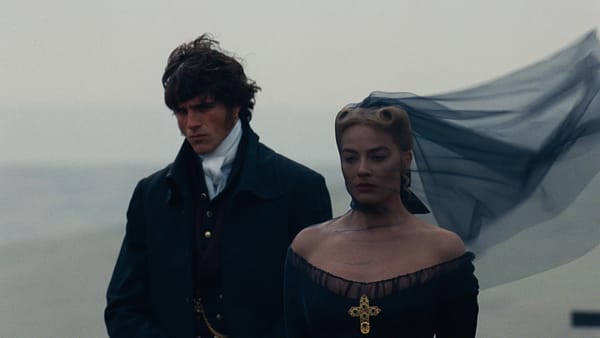
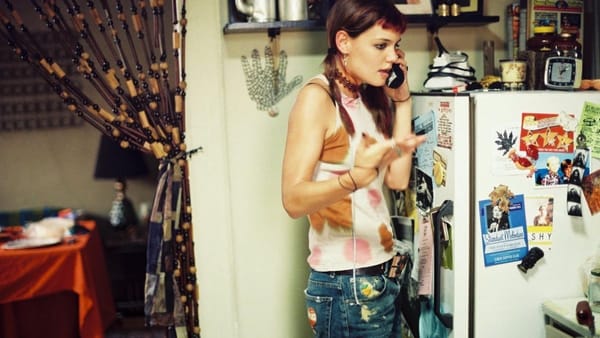
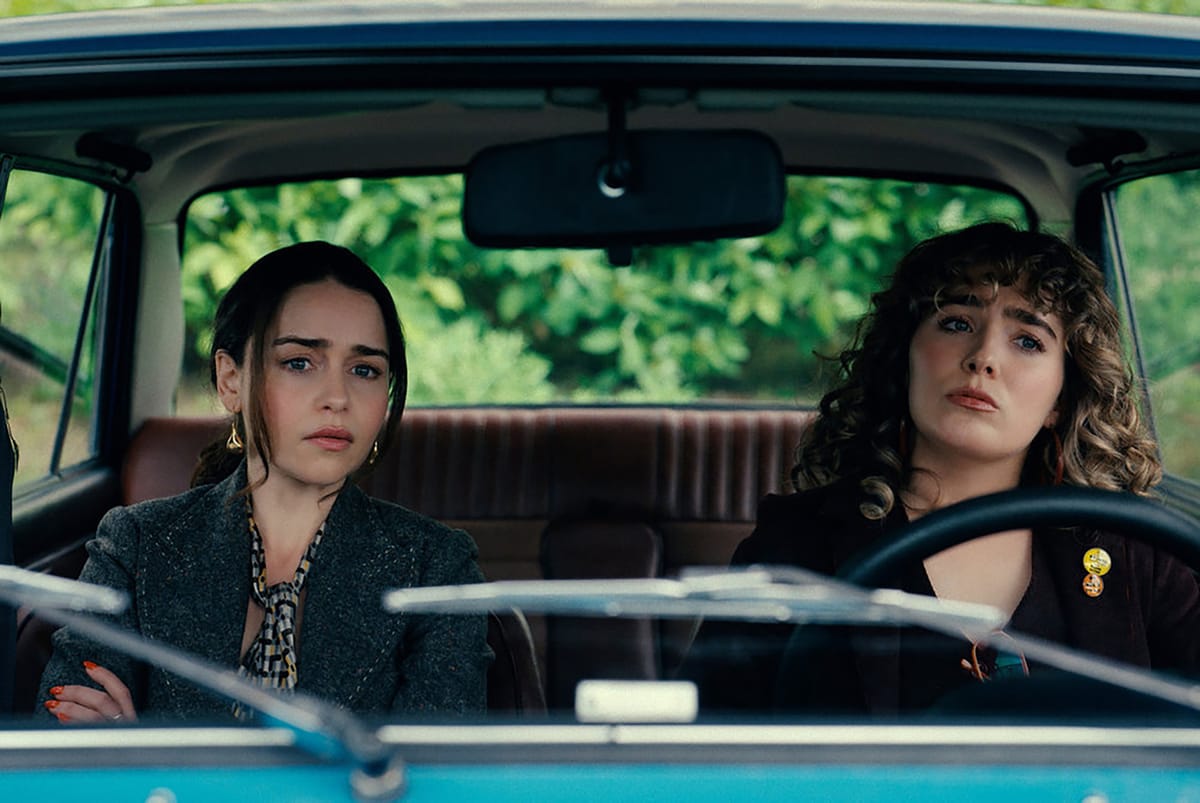
If you know me you know I don't watch a ton of television, but when I heard about Ponies, the latest from Susanna Fogel and David Iserson, I was immediately in. The series hearkens back to the spy and paranoia thrillers of the 1970s with its story of Bea and Twila (Emilia Clarke and Haley Lu Richardson, respectively), two CIA agent wives who are forced to work as double agents when their husbands are killed. The two become "Ponies" (persons of no interest) and get mixed up in all manner of intrigue and murder, with a heavy dose of female friendships in it.
It's a premise reminiscent of their 2018 feature The Spy Who Dumped Me, also about two friends who become unwitting spies after one of their boyfriends lands them in hot water. That feature, as Fogel tells The Film Maven, came at time when creatives felt female empowerment stories were actually being championed. "It took a minute for it to sort of become that for people," she says. "Whereas now people are just ready to embrace that without the stigma of something feeling like a chick flick. What we learned from [Spy Who Dumped Me], and the way that movie was perceived in the world, was that you have to have a little bit of macho swagger when you put a movie like that out and not let it be too girly in order for it to be considered cool enough that people will watch it and not approach it in a sexist way as an audience."
It was on that film that Iserson and Fogel conjured up the idea for Ponies. The "perfect hybrid" of their interest in the 1970s and female companionship. Female friendships is a recurring theme in Fogel's work, whether that be this, Spy Who Dumped Me, or Fogel's work on the Booksmart screenplay. "I'll be meeting about a project and they're like, 'It's a love story. I'm like, yeah, yeah, but could it just be about best friends? Could the inciting incident be that someone lost their best friend, not their mom?'" Fogel says. That love for companionship and community amongst women became something Fogel and Iserson wanted to approach with Ponies, taking the warm, personal and emotional stakes of friendship and putting it on a genre that was seen as cold and aggressive.
"Talking about a modern spy story just did not seem as fun to us," says Iserson. "Cell phones and computers just seem boring so the analogness, and the look, and the feel, and the time [of the '70s] just felt more visually interesting and more exciting. It is that mix of wanting to tell something that feels like it is reflecting the world that we are living in, but also there is an exciting escapism of time travel that period pieces provide."
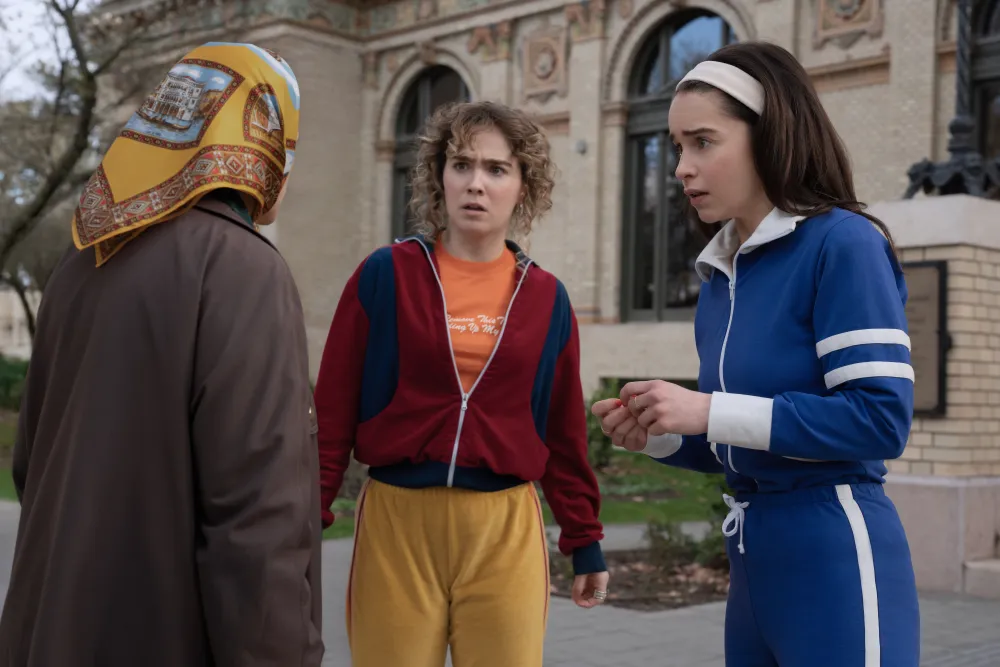
The show took several years to develop, according to Iserson, which meant how they saw the politics of the show changed as the world changed. "We were writing the early episodes in Covid," he says. "The feelings that I would get from the script were more about the fear of walking outside the embassy into this scary world and being in your cocoon and leaving your cocoon, that sort of energy." They knew they didn't want to tell a stock story of "Russia, bad, America, good," but more so characters living through the Cold War being told different things on all sides.
Ponies also became an opportunity to deconstruct second wave feminism, a time that we now filter through the lens of extreme support for women and a desire to break the shackles of the patriarchy. Historically, we now see it as a time of unity and celebration, particularly prescient now when women's rights are backsliding politically.
"One thing we liked about the '70s was that it's a time that people were talking about equality, and we've all seen these shows that are like, women's lib, women are getting together, and they're trying to overturn the patriarchy, but actually they're still in marriages and in families that had traditional dynamics...How empowered can you be?" says Fogel. "It was interesting making a show where we got to meditate on that. How thorough is the feminism that people were bragging about in America? And where is it under the surface. It feels like now is hauntingly the same thing where we're talking about it, but the people who are talking about it are doing it in a silo. It's politicized to talk about it now. It's partisan to be women. It's weird."
Right now, the hope is to get more eyeballs on the show. The pair are happy to hear there's a social media movement asking when Peacock, the streaming home for the show, is going to greenlight a season two. "When I started working in television, you would pitch a television show and you would either write the pilot or pitch the pilot, and then that would kind of be it," says Iserson. "Then you put together a writer's room and then you're like, 'All right, here we are. Let's figure it out.' With the economics of television now, we pitched, like, four or five seasons when we were trying to sell this show. We could compress that and adapt that depending on what the appetite is."
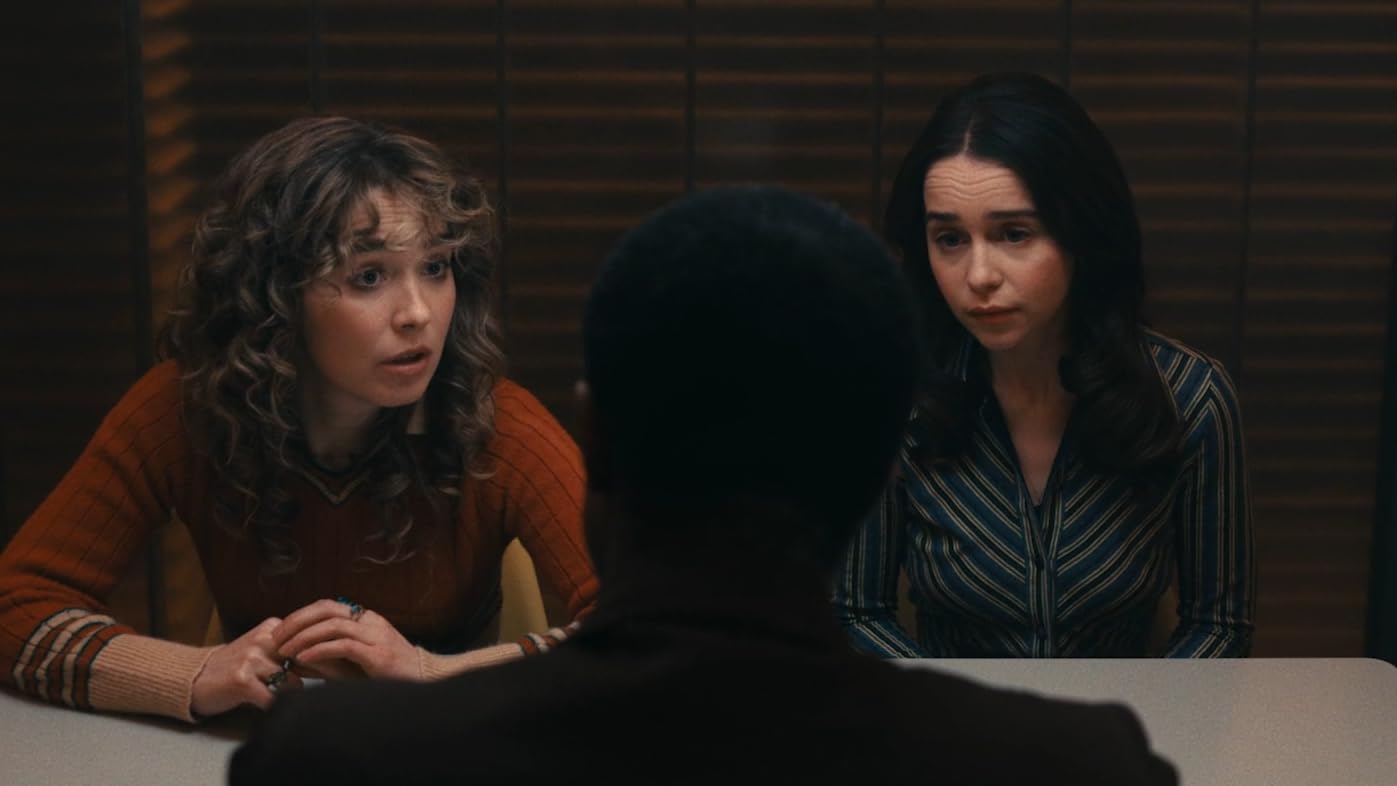
That's why the pair sold this as a limited series, knowing that every episode would end with a cliffhanger. They didn't want to wrap up the season with a bow, but also didn't want to leave fans hanging in the wind. "We were betting on the show, and we're trying to be bold with all of our story turns," he says. "Our finale is no exception. We're really betting on being able to tell more stories and we have a lot more planned." Right now, they're hoping the binge model will work for the show and audiences will make time to stream the entirety of the series on Peacock now. And you should! We need more female friendship shows and movies, and I need to see the further adventures of Bea and Twila!
Ponies is streaming on Peacock now.
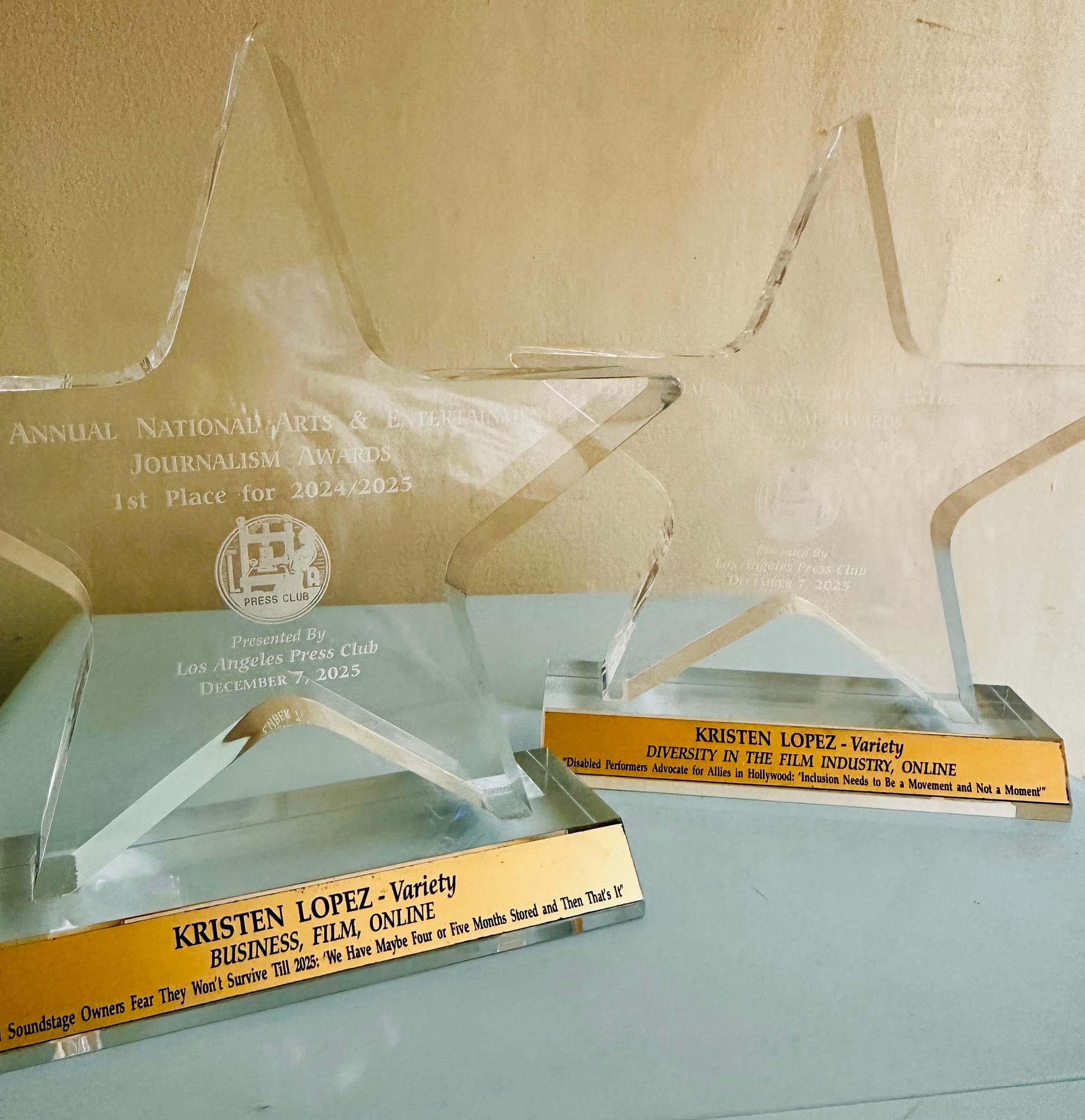
Remember how I mentioned in my post on journalism returning to pre-Internet times that I won 2 National Arts and Entertainment Journalism awards? They finally came in the mail and wanted to show them off!
![Gore Verbinski and Cast Talk the Urgency of Good Luck, Have Fun, Don't Die: 'The World Is Screaming the Answer' [Video]](/content/images/size/w600/2026/02/MV5BMzMyMzgwMzYtMjFjNS00YmQ4LWEzNWMtNzI2YTI3MDAyZTUyXkEyXkFqcGdeQWFkcmllY2xh._V1_.jpg)