One Battle's Oscar Win Wasn't Historical But Gave Us a Glimpse of the Future
Mergers and moving to YouTube stood out more than the winners.

You’re probably asking, “Why is this paywalled?” Paid subscribers are the backbone of The Film Maven and becoming one shows support for independent journalism, as well as female- and disabled-created content.
Paid subscribers are the backbone of The Film Maven who support independent journalism, as well as female- and disabled-created content. Paid Film Mavens get access to two-three exclusive articles a week including access to my series The Trade and Popcorn Disabilities, as well as the ability to chat with me on The Film Maven's Discord server.
Oscar season 2025 finally came to an end last night and as it always does I immediately went to social media this morning to look at the online chatter about One Battle After Another taking Best Picture over Sinners. The two had been duking it out over the last week, with nearly everyone (including myself) giving drawn out historical treatises on which was going to take it home. Mind you, One Battle was the pretty clear frontrunner, accumulating six BAFTAs, three Critics Choice Awards, PTA winning the DGA award, and four Golden Globes.
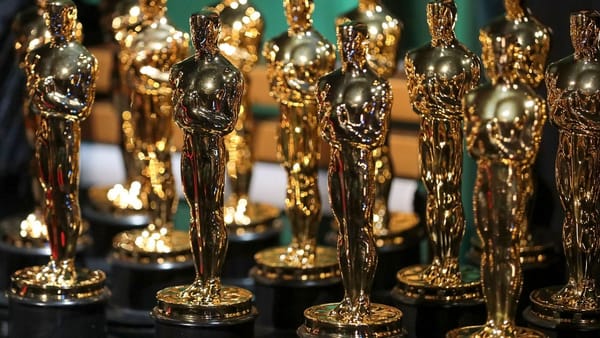
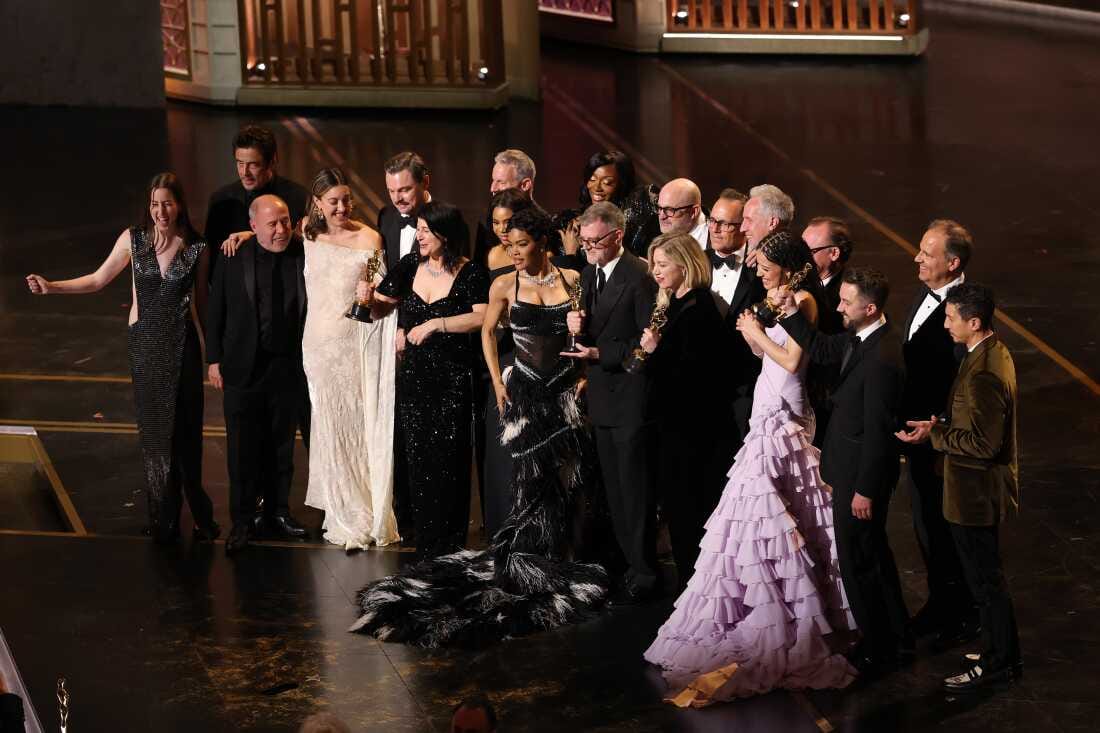
So when One Battle walked away with six Academy Awards, including Best Picture, Director, and Supporting Actor (for an absent Sean Penn), the moment seemed rather muted. It brings me back to that chatter online, which is less "Sinners got robbed" and more "Well, that happened." It's a two-fold thing. One, nearly every has Oscars fatigue. The awards happening mid-March allowed for plenty of time for people to point out the flaws of both movies ad nauseum and to generally move on from them. The other is just an air of expectation: Oscars are gonna Oscar. If there's one thing the awards show has been able to do consistently it's disappoint.
There certainly were historical gains made: K-Pop Demon Hunters winning for Best Animated Film and Best Original Song (the first time a K-Pop song has won). Cinematographer Autumn Durald Arkapaw becoming the first woman to win in her category. And Michael B. Jordan taking home Best Actor, probably the highlight of the entire night. But I think, after the last year we've had, people wanted more. And one should never expect more from the Academy. They gave us Green Book, after all.
But instead of bemoaning the night I want to talk about what it offered us: a glimpse into the future. With only three more years of Oscars on broadcast television, and the threat of consolidation looming over everything with the Paramount/WB merger (hey, which studio just won all those Oscars?), this year's ceremony may have felt like the last gasp of a long season, but it felt more like the beginning of a bittersweet conclusion for everything else.
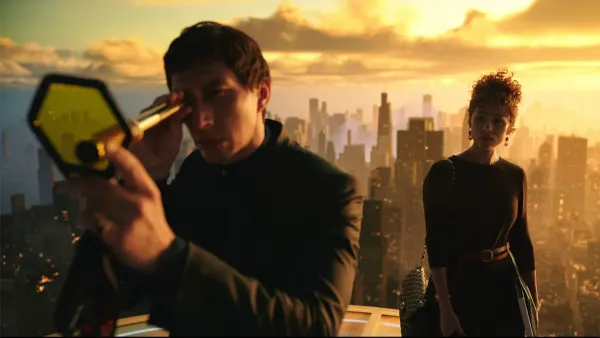
I said after last year's Anora win that voters rewarded a movie that just made them have fun, ignoring that knife twist of an ending which felt all too real. In the battle between Sinners and One Battle, it became a question of which political world do we want to live in? Which one do we have any control over? Sinners may have made vampires their villain, but Ryan Coogler's story is one of racism and oppression. A supernatural evil being just the obvious baddie that masks the true horrors underneath. It certainly felt authentic in a world where buffoonish clowns doing bad shit take away from the deeper horrors happening on tropical island.
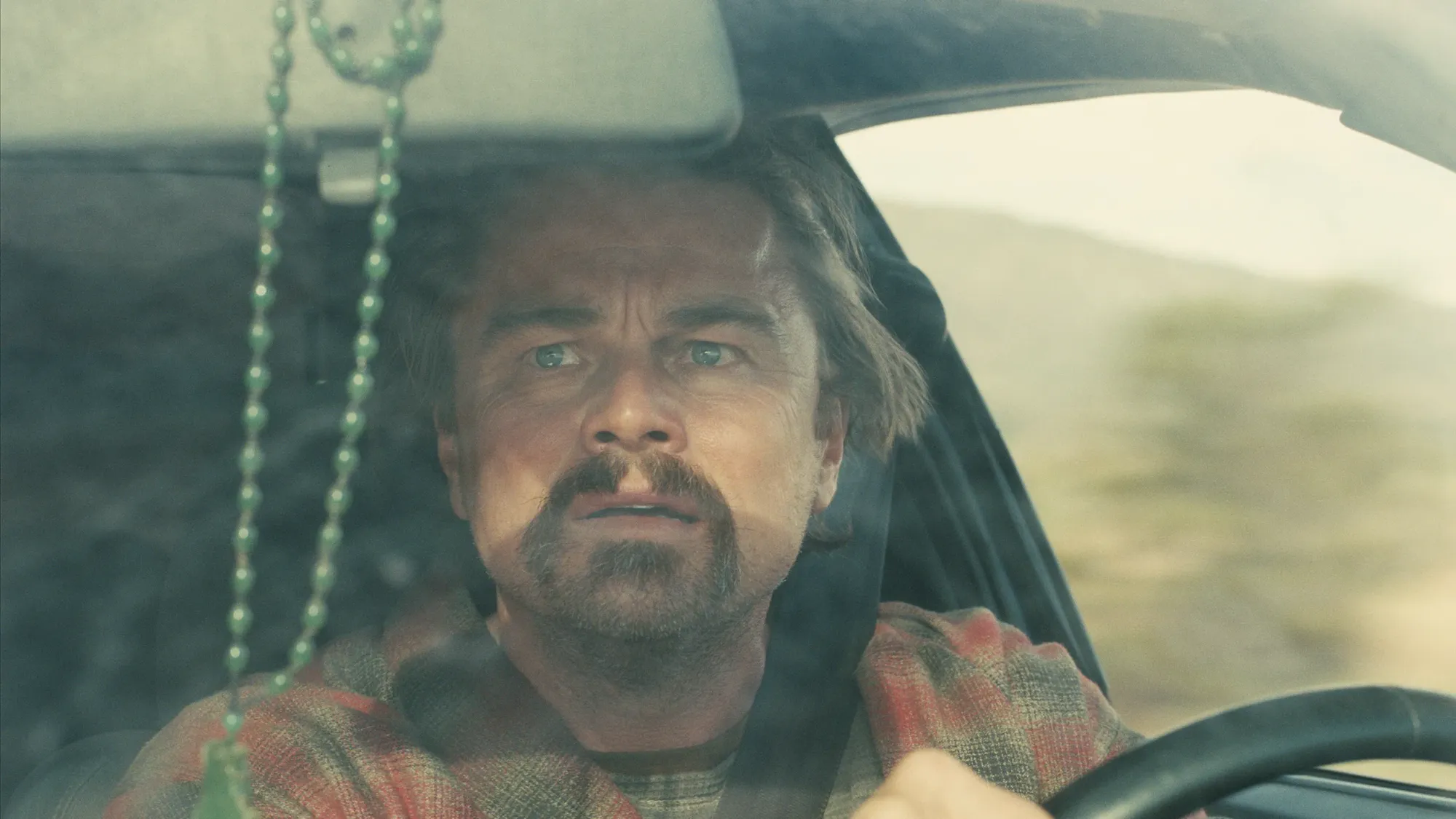
One Battle, though, is the world we're somewhat living in today and there's certainly a desire to celebrate Paul Thomas Anderson's depiction of an interconnected world of people secretly helping the oppressed try to get around the wealthy white guys trying to do harm. Never mind the criticisms about Perfidia Beverly Hills (Teyana Taylor), brought up by scores of Black female critics, they said. Giving the Best Supporting Actor award for Sean Penn's showy performance of a racist, Musk-inspired military man made sense because the character hit so close to home. Never mind that Best Supporting Actress going to Amy Madigan, for Weapons, made this year's duo probably the most overwrought Baby Jane-esque duo.
And make no mistake, I love both One Battle and Sinners. Each one does something different for me. One Battle winning doesn't have nearly the gut punch of King's Speech winning over Social Network – the moment many felt the Academy would usher in a decade of bucking social conventions and making an Oscars for the younger crowd – but it does still feel like a status quo win. One where the political impact was there, but certainly no one wanted to bring it up.
Justin Chang at The New Yorker summed it up perfectly: "Should we be annoyed, dismayed, worried, jaded, or relieved that, at the second Oscars of the second Trump Administration, barely a month into a spuriously waged war on Iran, so many of the winners’ speeches steered clear of politics? Was it incumbent upon the artists behind 'One Battle After Another' and 'Sinners,' two Oscar front-runners of genuine political heft, to speak out as forcefully against white supremacy as their films do? This reserve has become the Academy’s way: it’s not as if the 'Oppenheimer' juggernaut of two years ago initiated a flood of speeches denouncing nuclear proliferation."
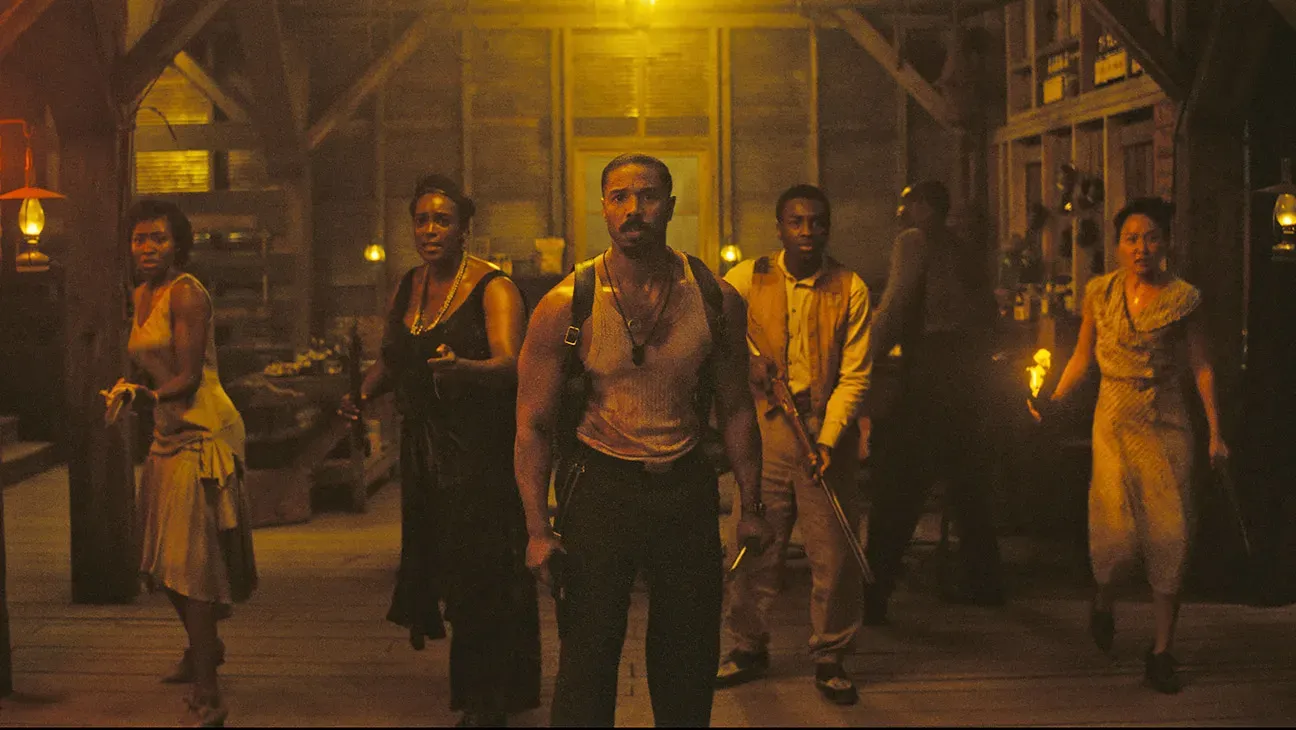
So it's bizarre to watch the awards last night and remember that the studio that gave us both Best Picture contenders is set to sell itself to a studio who got a whopping ZERO nominations, on top of being run by a man who wants to squelch free speech and probably doesn't care about history at all. To know that, when/if that merger takes place, only fifteen Warner Bros. movies will get made – if they make any at all. Looking at you, Fox – lingers in the back of my mind.
Which brings me to the "bittersweet" element of last night's show. Host Conan O'Brien – which did a really good job this year, by the way – mentioned that in 2029 the Oscars will be transitioning off network television to be exclusively aired on YouTube. This has several good points including that things like language and political speech probably won't be censored. Also, the time constraints won't be an issue and we won't have to see rude things like minority winners having the mic snatched out of their hands and the lights turned off if their speeches are deemed too long. Seriously, that was some rude shit.
"Ultimately, it wasn’t the brutalities of the Trump Administration or Israel’s atrocities in Gaza that drew the most sustained protest on Sunday night but rather the encroaching threat of irrelevance for a film industry facing challenges on many fronts: declining ticket sales, the rise of A.I., soul-crushing corporate mergers," says Chang. That, more than anything stood out to me at the end of this long awards season that wasn't so much winding as it felt like it was a straight line set in brick. This year's Oscars felt the most perfunctory. This was the reward left waiting at the tunnel and it just feels rote.
There's still much unknown, however, about how the Oscars will change when they're no longer tied to television. Will it bring in an uptick of viewers? Will we lose more than we already are? The fact is, that until O'Brien pointed it out, I'd forgotten they were even moving. It'll be interesting to see the transition over the next two years, barring we're still here as a society by 2029. On top of that, if the Paramount/WB merger goes through, how will the film landscape look? If this year's award season felt like a straight line it's only it hides the truly chaotic road hiding underneath.
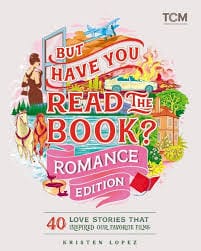
I have a new book dropping on July 28th! It's But Have You Read the Book: Romance Edition! I look at 40 of the most iconic romance novels and their filmic counterparts to show you the changes in between. Preorder your copy now!