Why Elsinore Refused to Turn Ian Charleson Into a Saint
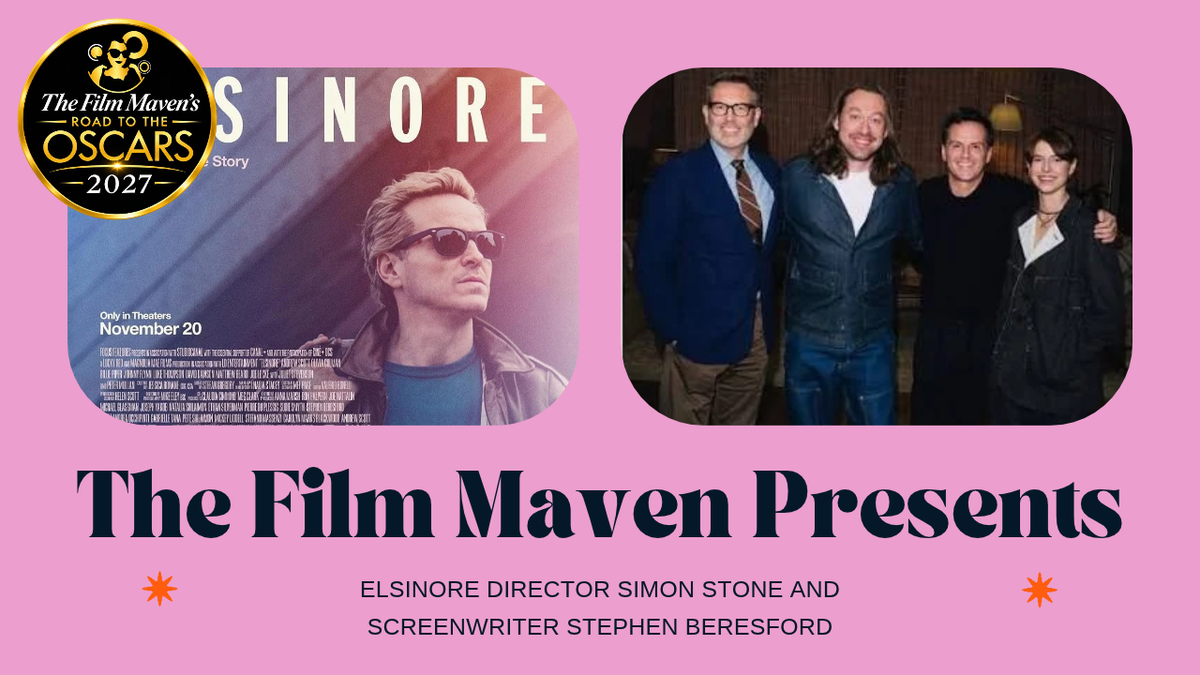
Director Simon Stone and writer Stephen Beresford explore how art, friendship, and the human imagination challenge perceptions of disability.

The Film Maven's Road to the Oscars 2026 is a special package of articles dedicated to celebrating the movies worthy of Oscar love this year. This post is exclusive to Gold Star Crew members.
🌟Supporters like: Melissa Heeney, Mitch Santell, Jeremy Scholl, Sarah E Wethern, Matt McDaniel, Sofiya Cheyenne, Wiley Sutton, Rachel Dinga, KYoder, and Franker Cline💫
🚨November is a month of deals for new paid subs! Any new paid subscribers receive a free digital copy of my book Popcorn Disabilities. And all new annual subscribers get an additional mystery book mailed direct from my bookcase! We also have our next Gold-level Zoom mixer on November 13th to discuss our first ever Secret Santa Gift exchange! Join the Gold Star crew to get in on the fun.🚨
Paid subscribers are the backbone of The Film Maven who support independent journalism, as well as female- and disabled-created content. Paid Film Mavens get access to shout-outs, exclusive articles and series, career mentoring, Zoom mixers, and access to The Film Maven Discord.
Consider becoming a paid subscriber and joining the community that invests in independent journalism free of AI and influencer opinions!
I've brought it up countless times, but the history of disability in film is one of saintliness. Get stricken with an incurable disease and you're utterly benevolent. And in the case of Elsinore, the story of Ian Charleson (Andrew Scott) and his fight with HIV and AIDS there was an immediate desire to avoid making him a perfect person. "That's an easy trap to fall into," screenwriter Stephen Beresford tells The Film Maven. "You get easy appreciation for it when you say this person has a terrible disease and is therefore pure."
"It could have become a fetishization of illness and victimhood, and wallowing in trauma," Stone says. "My experiences of trauma in my own life have made me want to cling more dearly to the beauty of life, to the joy of life, and to celebrating a relish and a rapture. I think that's why people are moved by the movie."
Told over the last year of his life, Elsinore deliberately avoids turning that time into a conventional story of courage in the face of illness. Beresford's script recognizes Charleson as a complicated human being whose diagnosis and physical deterioration don't era his personality, his flaws, or his artistic ambitions. Alongside director Simon Stone, Beresford wanted to represent someone as fully human, rather than elevate Charleson into an inspirational symbol. "What that does is utterly dehumanizes the central figure," says Beresford. "It also reinforces an idea that we have about the moral superiority of marginalized people, which isn't true. They're marginalized. That's true. They shouldn't be. That's true. But that doesn't mean that they are all Joan of Arc."