Rob Reiner Taught a Generation What Movie Magic Was
I shouldn't be writing this post now, under these circumstances, but I am

This post is free but it’s worth it to become a paid member of The Film Maven community! Paid subscribers are the backbone of The Film Maven who support independent journalism, as well as female- and disabled-created content. Paid Film Mavens get access to two-three exclusive articles a week including access to my series The Trade and Popcorn Disabilities, as well as the ability to chat with me on The Film Maven's Discord server.
Don't want to commit to a subscription? Leave a tip to show you enjoy what you're reading.
Are you a Film Maven subscriber or reader? If so you've probably already gotten my email asking to fill out this year's reader survey to help me find out what worked and what I could improve on in 2026. If you haven't filled out the survey yet consider doing so at this link!
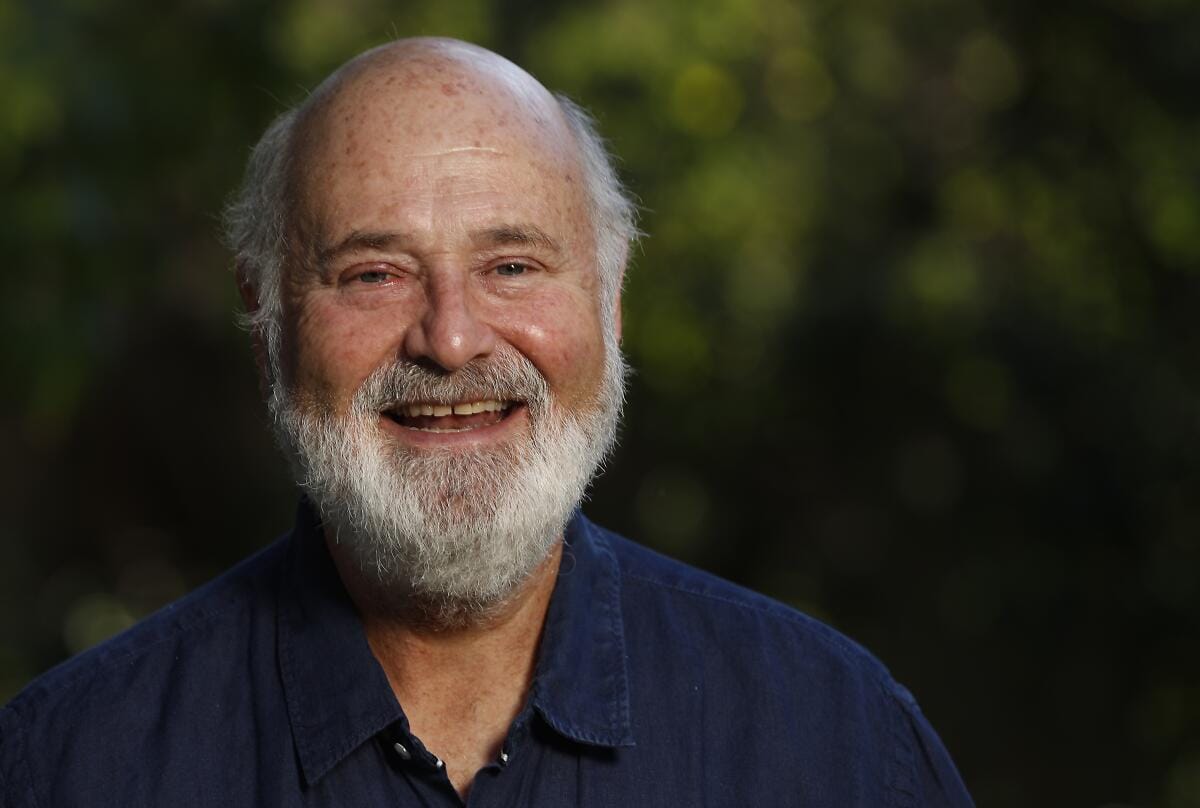
I shouldn't be writing this post today. We shouldn't be writing tributes to the life and career of Rob Reiner because, up until yesterday, it wasn't over. Reiner had just put out his long-awaited sequel to his 1984 classic This is Spinal Tap in September, a movie that, while I didn't love it gave me the opportunity to see Reiner and the band in-person at the TCL Chinese Theatre. He'd recently attended the 2025 TCM Classic Film Festival to share the stage with Kathy Bates for a screening of Misery, an event I missed and now regret.
And yet the heinous death of Reiner and his wife, Michele Singer, last night has occupied my thoughts (and my social media timeline) for going on 24 hours.
Reiner's death hits hard, not just because of the shocking nature of it, but because Reiner has come to represent so much to so many. To me, he represented the best of moviemaking, and the strength of our country; his work on overturning Prop 8 in California should be known by everyone. He was the bridge between the Hollywood of the 1960s and 1970s to today. And it's that latter thing I want to talk about today, not how he spent his final hours.
For me, Reiner was who most people thought of when they said, "They don't make movies like that anymore." Reiner's features weren't bombastic, but focused on the heady wave of human emotions that make us eager to get up in the morning. The first Rob Reiner movie I ever saw, no surprise, was 1987's The Princess Bride. To me, it remains the perfect movie, though what I've come to appreciate so much now as I'm older is how it deals with the fantasy and magic of filmmaking. It is one of the few movies I'd say is just as good as William Goldman's original novel for how Reiner crafts a story so thrilling and enthralling it doesn't just get Fred Savage to perk up his ears, but it makes us believe, for a fleeting moment, that magic exists, true love is real, and justice is always delivered to those who deserve it.
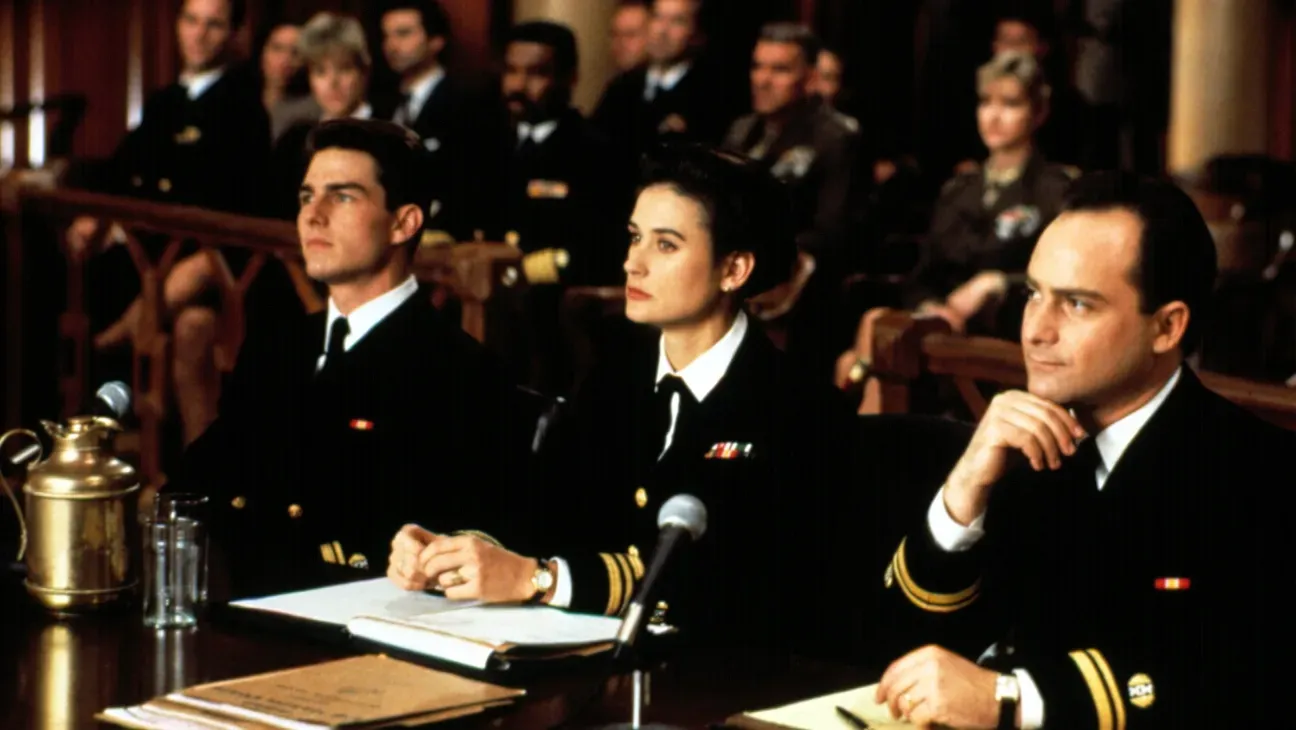
That continued with 1992's A Few Good Men, a movie that now even the title sounds snarky considering the world we're currently living in. He showed the possibility of humanity, how we could be our best selves. One only has to watch Lieutenant Daniel Kaffee (Tom Cruise) try to get to the bottom of a government conspiracy to see it. And while some might attribute that to Aaron Sorkin's script, it was Reiner's direction that doesn't make the entire thing feel twee or preachy.
But I think what I've come to love about Reiner's work is how he captures the intangible feelings we can't articulate. Take This is Spinal Tap, the story of a struggling band desperate to chase every trend in the hope of finding success. The movie is utterly hilarious, even if it is capturing a time in music that's gone with the rise of streaming and TikTok. But, more importantly, it shows the hilarity and community that's found in creating art, even if success never comes. Tap believes they're on equal footing with other big bands, and if they aren't they should. But the central relationship between Nigel Tufnel (Christopher Guest) and David St. Hubbins (Michael McKean) is paramount. At the end, Tap still isn't successful, but David and Nigel's relationship is stronger than ever.
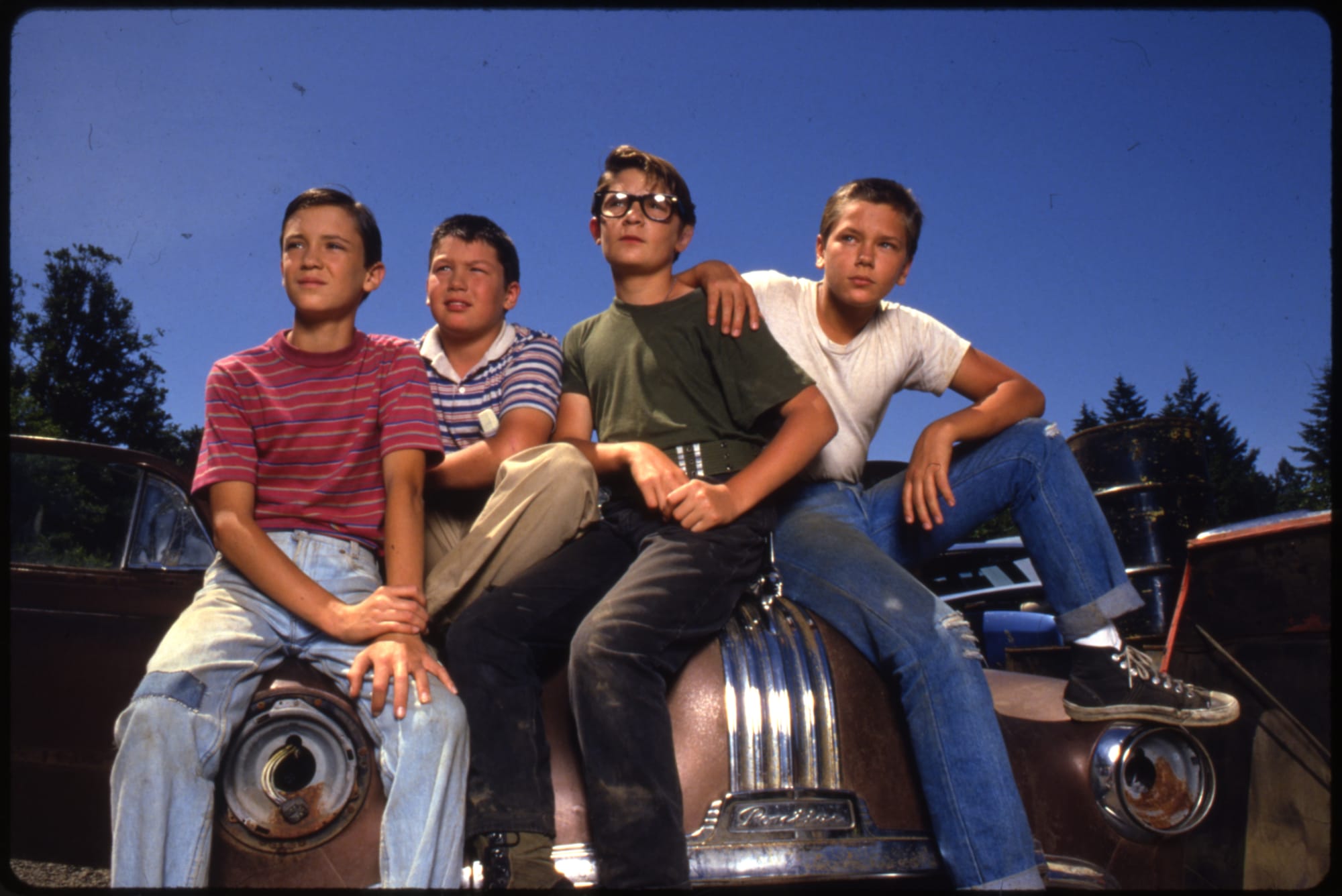
There's also something to this in 1986's Stand By Me. One can watch that movie as a child and believe they're seeing their own friend groups. What group of adolescent kids doesn't want to go on an epic adventure filled with thrills, chills, and a dead body? And yet Reiner used that as a gateway to show us the harsh realities of being a child that we push into the back of our minds as we get older, yet shape who we are regardless. Watching Stand By Me as an adult, one trying to unlearn how my childhood made me, showed that Reiner knew what was coming. He understood us.
And yet Reiner seemed to lose his footing as he got older. As the 2000s started, Reiner's features didn't hit in the same way, lacking the critical and commercial impact (kind of what we're seeing with the Ella McCay discourse right now). It's almost like Reiner was the canary in the coal mine, showing us that the way we make and consume movies was irreparably damaged. Watching the new Spinal Tap this year continued that, showing us a director who appeared to look at the world around him and not recognize it.
Hollywood may have made movies directed by Rob Reiner, but they did't make Rob Reiner movies anymore, ie the landscape no longer existed to celebrate the type of movies he might have wanted to make. As Alan Sepinwall beautifully says in his own tribute to Reiner, "The movies were never about Rob Reiner, because he only cared about making them great, not about making sure you knew he was the one doing it."
Stand By Me ends with one of the most iconic one-liners: "I never had any friends later on like the ones I had when I was twelve. Jesus, does anyone?" And it's bittersweet to hear in light of Reiner's death. I would argue one doesn't have friends or movies like the ones they had when they were twelve. As a movie-obsessed tween, Rob Reiner's features made me understand the movies I loved, and how his movies made me feel about myself. I wonder now if the kids today have even seen Reiner's films (sure, The Princess Bride) and have the same feelings I did as a kid watching them for the first time? I'd like to think so.
This is all to say that the world is a little less brighter today than it was. Reiner stood among the last living vestiges of the great movies like Mel Brooks. This only reminds us how fleeting things are. Go watch a Rob Reiner movie today. It'll make you smile, cry, laugh but, most importantly, it'll make you feel.
My new book Popcorn Disabilities: The Highs and Lows of Disabled Representation in the Movies is out now! Buy a copy wherever you get books!