Celebrating Indie Film at Sundance's Final Park City Bow
The end of an era whose significance is felt in every reel of film

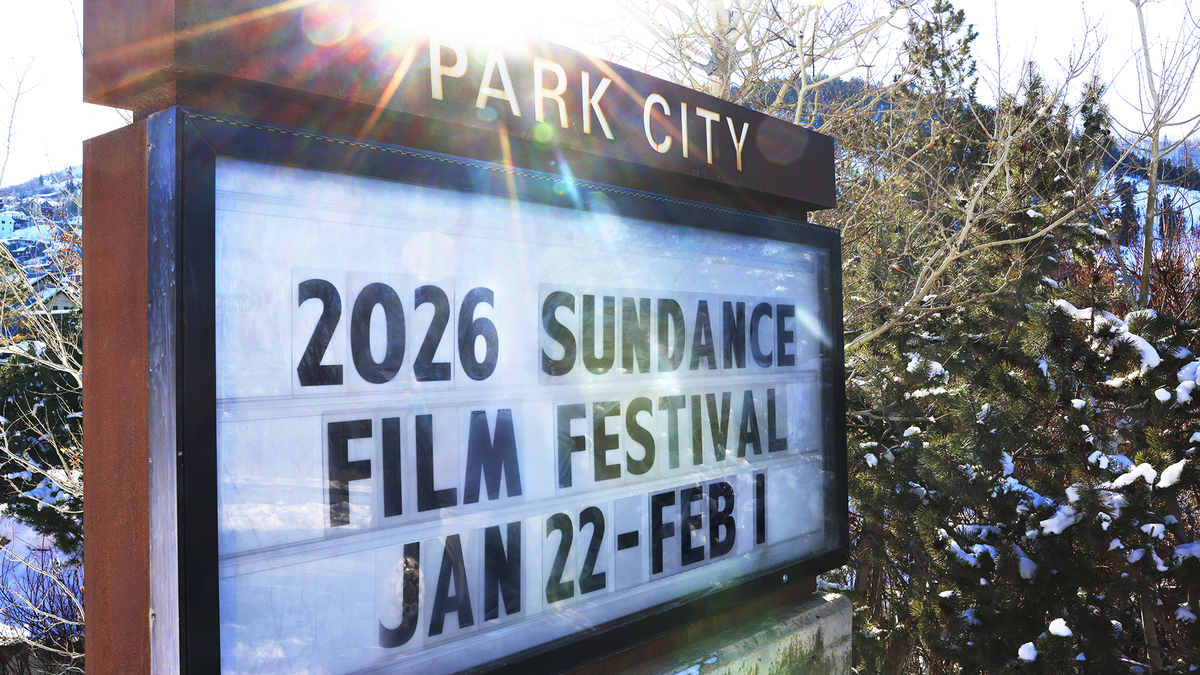
47 years after its initial founding in 1978, the Sundance Film Festival is leaving Utah and heading off into the sunset. Or, more accurately, Boulder, Colorado.
Founded by Robert Redford and co-founded by John Earle, Sterling Van Wagenen, and the Utah Film Commission, it grew over the subsequent decades into what just might be the United States’ foremost independent film festival. The 2026 iteration was a bittersweet celebration of a storied fest with the closeout of old memories met by hopes about the future.
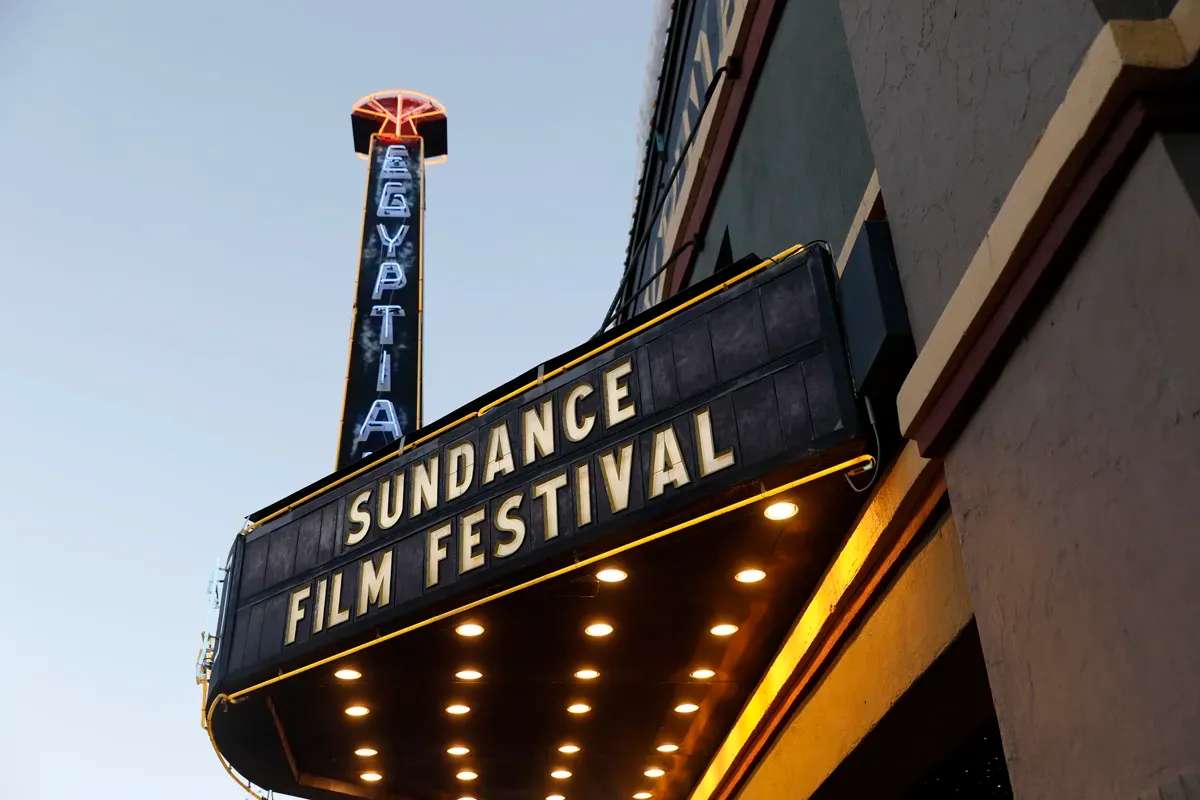
I had ample opportunity to reflect on the festival and the state of independent film, given that this was my first opportunity to cover Sundance in person in Park City (though far from my first time altogether). This round had gorgeous, snowy vistas, cold like I haven’t felt for years, and some spectacular, moving, complex cinematic works like Levitating, I Want Your Sex, and zi, among others. Sitting out this time? The storied Egyptian Theater, which is set to be pivoted into a live performance space.
(“We have an Egyptian Theater at home,” I told myself to stave off disappointment.)
Indie-friendly festivals like Sundance, SXSW, Tribeca, and BeyondFest are pivotal to the survival of independent films made outside the Hollywood studio system. They allow unique, experimental, and lower budget films to have a better chance to be seen by audiences and distributors than they’d otherwise have. They shine a spotlight on the next wave of emergent new cinematic talents (Steven Soderbergh, Quentin Tarantino, Wes Anderson, Ava DuVernay, and Ryan Coogler are just a few of the luminaries who got their start at Sundance), and a high-profile festival win can set films up for greater prominence.
These events have always been important guardians against a studio-controlled system, but it’s a pivotal salve in an industry under multifaceted siege. Los Angeles continues to lose ground in the global industry after three straight years of declining production while audiences haven’t come back to theaters. Ever the shortsighted trend-chasers, studios are increasingly chasing AI (which has yet to prove profitable for most companies). Profitability is hard enough for skilled humans to ensure in Hollywood, let alone for inhuman code that can’t reliably chat safely let alone write a Hollywood hit.
None of this even begins to cover the elephant in the Situation Room, Donald Trump, whose central policy points (tariffs and fascism) are unlikely to accomplish anything beyond further hurting a wounded industry that’s increasingly consolidated under rogue rich kids like David Ellison, or corralled behind streaming paywalls.
It's an era characterized by a great need for independent voices making art that isn’t subject to billionaire capture or afraid of getting lambasted on Truth Social. Or that isn't drowned in needless tech as the target of studios’ odd fantasies about a creative-human-free workplace. That doesn’t need $700 billion to be profitable, because it’s a small-budget innovator instead of a CGI behemoth (therefore a little less dependent on theatrical trends).
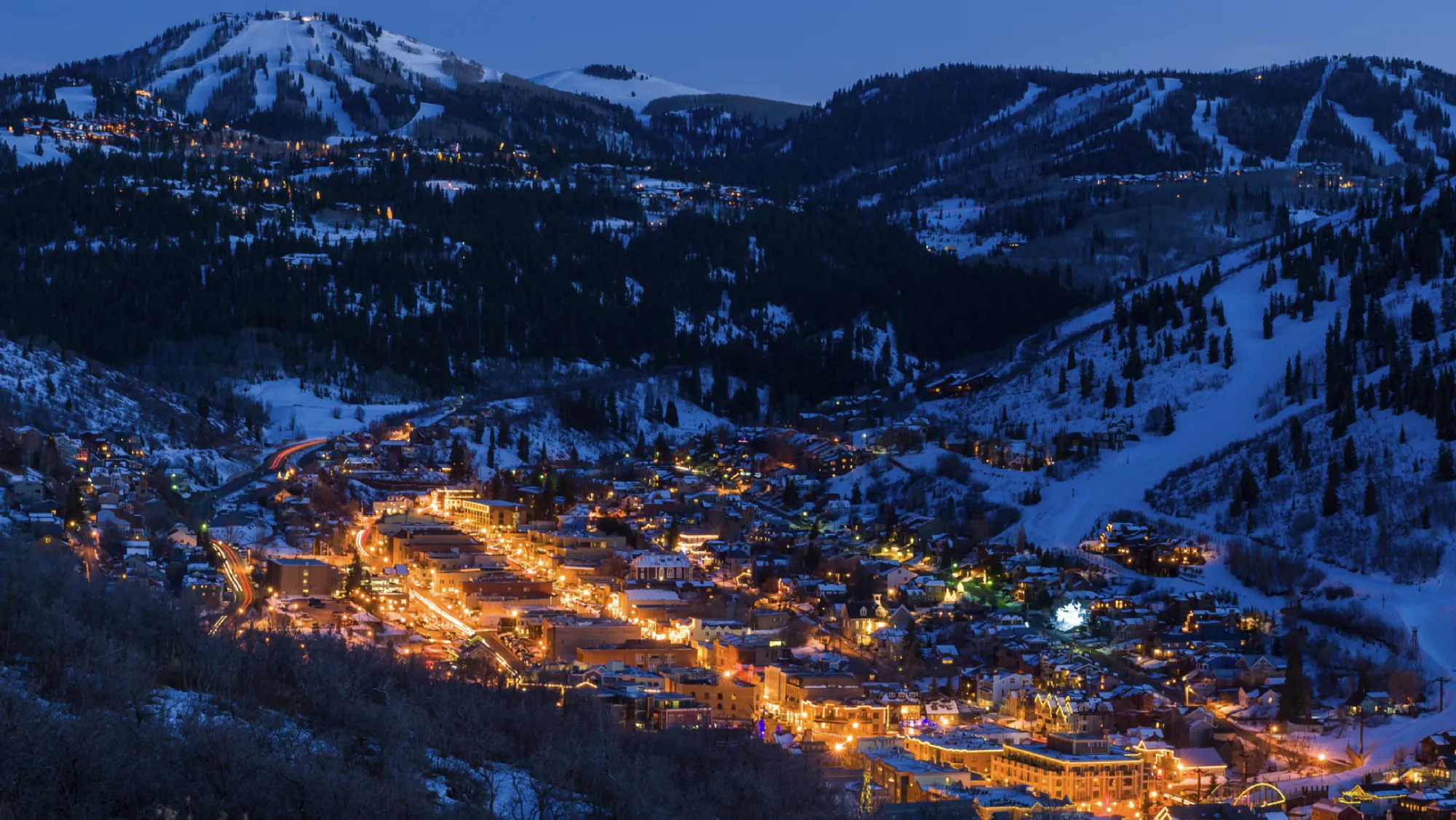
For me, a visit to Sundance highlighted the promise of independent film in an era that needs said promise. It's not that this iteration was particularly political... far from it (unfortunately). But the potential is there for independent film to address many of the crises that keep audiences out of theaters, and that lock the industry into a mere IP regurgitation machine.
These possibilities underscore why festivals are so pivotal in an era where studios aren't as bold and brave as we need them to be. Perhaps the answer has been under our nose all along: follow the A24/Neon model, embrace original, independent voices, and let festivals like Sundance lead the way.
Here’s to another 47 years!