Warner Bros. Set a 'Trap' for Critics
The continued dissolution of film criticism continues
Though a portion of this is available for free subscribers, this is exclusive to my Gold Star Crew Gold Film Mavens.
Silver and Gold subscribers are the backbone of The Film Maven who support independent journalism, as well as female- and disabled-created content. Paid Film Mavens get access to shout-outs, exclusive articles and series, Zoom mixers, and The Film Maven Discord server.
Consider becoming a paid subscriber and joining the community that invests in independent journalism free of AI and influencer opinions!
Can't become a recurring member now? That's totally fine! Consider dropping a little something in the tip jar to let me know you like what you're reading.
If you’re part of what is commonly referred to as “Film Twitter” then you noticed last week a lot of film critics talking about how Warner Bros. didn’t pre-screen their latest film, M. Night Shyamalan’s Trap, for them in advance. And we’re not talking about small bloggers or those with genre sites.
The trades were also X’ed out of pre-screenings, unless they were interviewing cast and crew for the junket (and even then I didn’t see a lot of people I knew doing interviews). Outside of New York and Los Angeles I was told critics were being offered ticket vouchers to redeem to see the movie opening night but, otherwise, everyone was in the same boat.
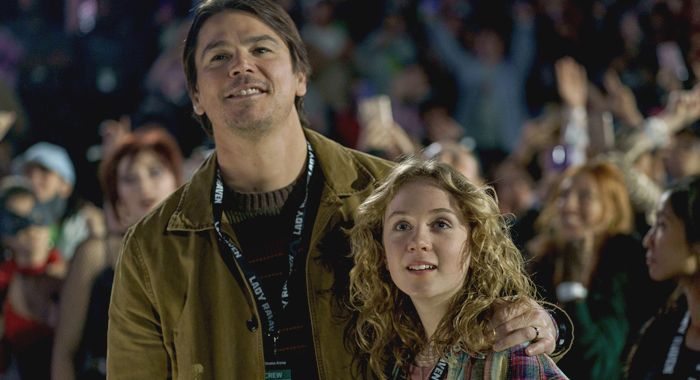
In the past, a move like this would have signified one thing: the studio had no belief in the movie’s success and/or that it was terrible and bad reviews would cause it to tank even more. But that wasn’t the case here. Trap is actually good (I can say this as a critic who went to a packed house Friday night and had the best time I’ve had at the movies in a while). So why keep critics in the dark?
When I was working at my last position I was told fairly regularly: Warner Bros. isn’t a fan of the trades. And that might be true but the near-media blackout for Trap seemed to imply something bigger.
![Renate Reinsve Was Asked Not to Know the Truth in Fjord [Video]](https://storage.ghost.io/c/24/37/24372e80-8819-45cd-8a9d-4dbc679f7337/content/images/size/w600/2026/10/1-3.png)