Disney Shows Integrating ASL Into Narrative Possible With Songs in Sign Language
Could a Deaf Disney Princess be far behind?

This post is free to enjoy but it's worth it to become part of my exclusive Gold Star Crew of Silver and Gold Film Mavens.
🌟Supporters like: Heila Rogers, Wendy Zaballos, Nadine Whitney, Kathy Gibson, Altus Lee, Orla Devlin, Libeth Morales, Lucy May, David Fox and Alexandra Bowser.💫
Paid subscribers are the backbone of The Film Maven who support independent journalism, as well as female- and disabled-created content. Paid Film Mavens get access to shout-outs, exclusive articles and series, Zoom mixers, and The Film Maven Discord server.
Consider becoming a paid subscriber and joining the community that invests in independent journalism free of AI and influencer opinions!
Can't become a recurring member now? That's totally fine! Consider dropping a little something in the tip jar to let me know you like what you're reading.
Back in March I was invited to spend the afternoon at the Walt Disney Animation Studios to see several of their new short features coming to Disney+. Aside from the fact that anytime there's an opportunity to walk the hallowed halls of the iconic Walt Disney Studios, my interest was piqued even more by their screening of two dynamic shorts focused on different disabilities: Maddie & the Test, about a little girl with learning disabilities, and Songs in Sign Language, an ambitious series of animated musical moments reanimated to be performed in ASL.
Disney's relationship to disability can be a fraught one. I've discussed a lot of the issues in my book Popcorn Disabilities such as the controversy regarding Finding Dory, and I've documented the messiness that is Snow White and the Seven Dwarfs. But with Maddie & the Test and, especially, Songs in Sign Language, the groundwork is laid for the studio to do far more with and for the disabled community, if they choose to walk through the door.
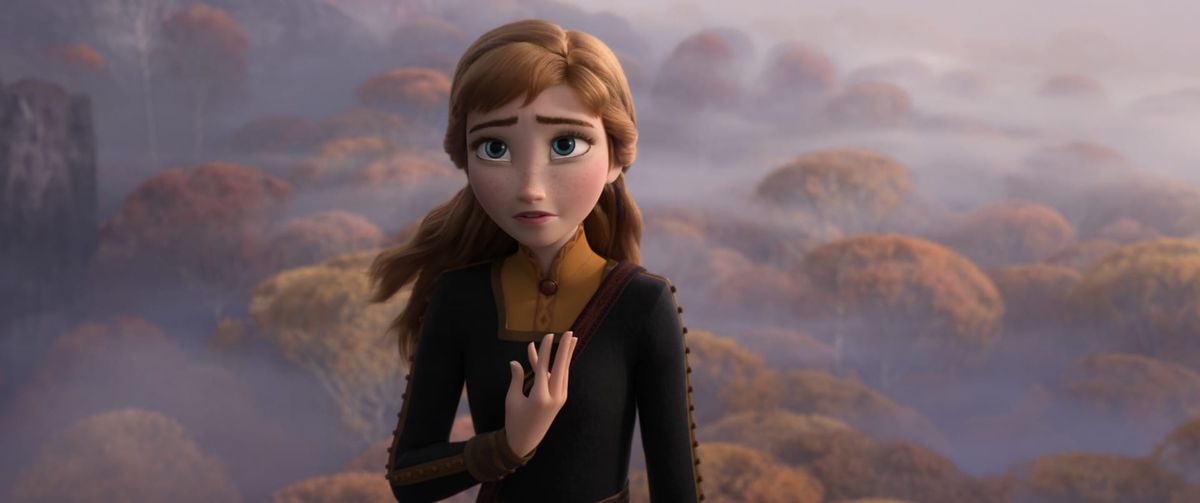
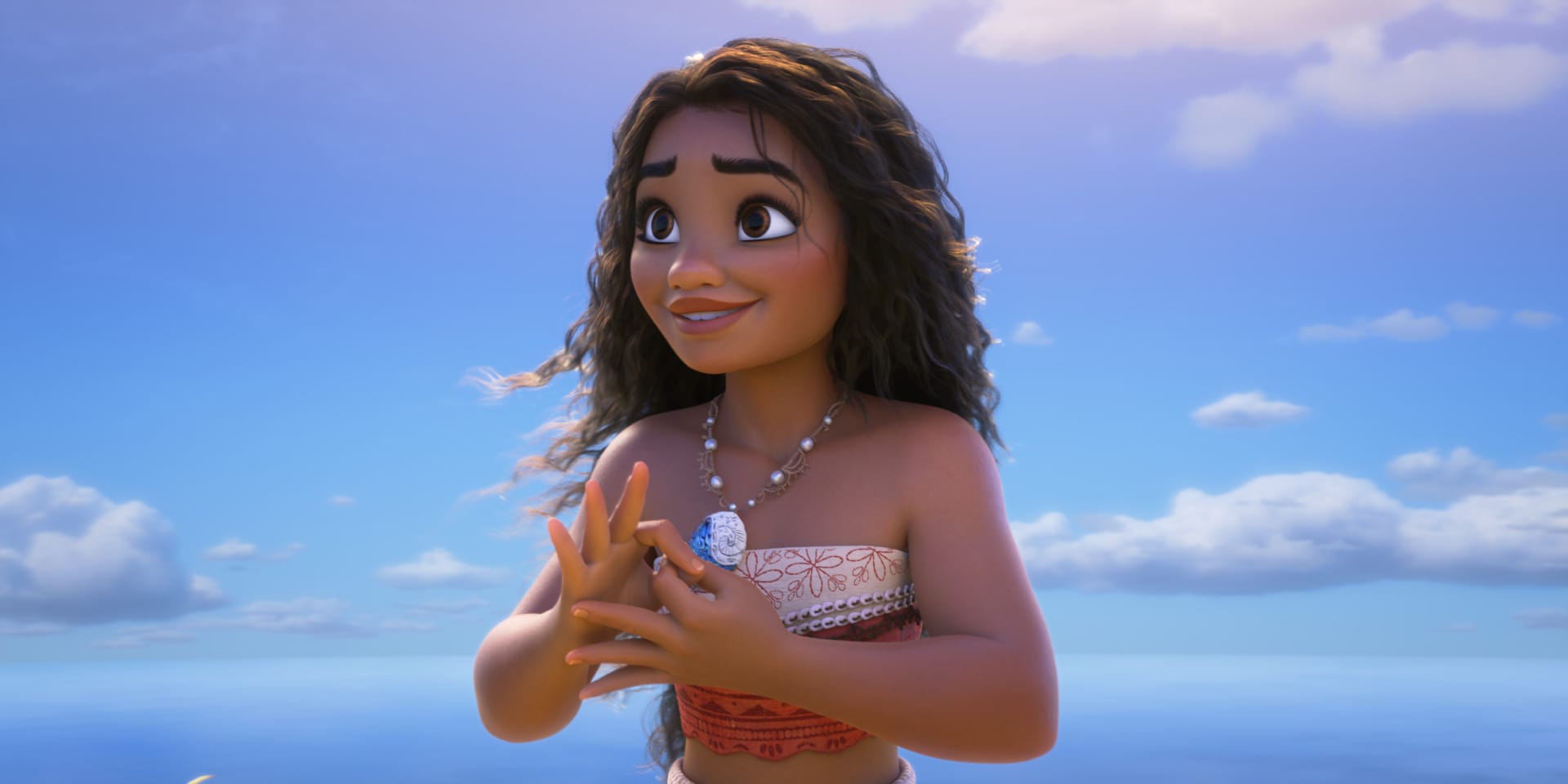
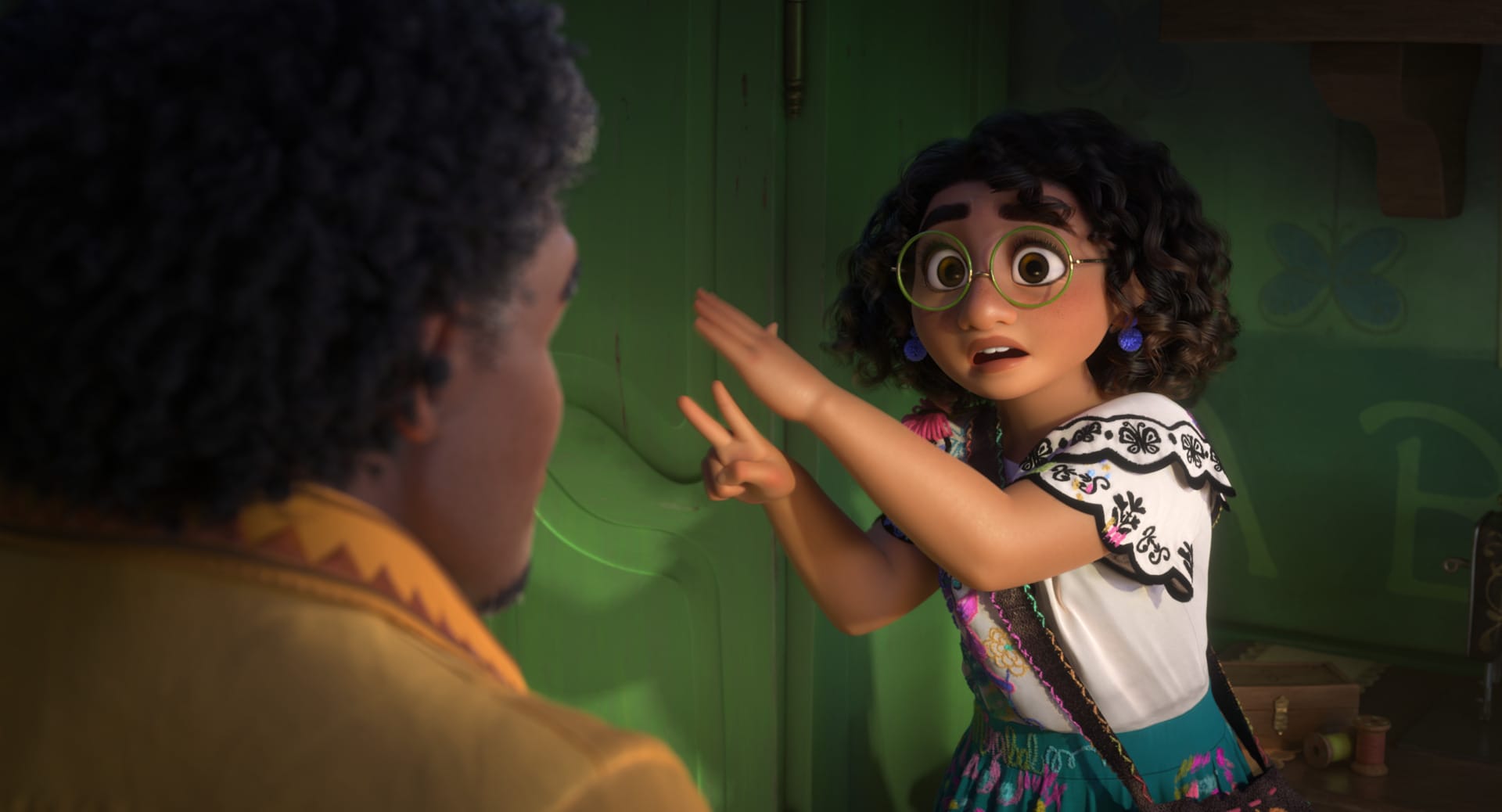
Songs in Sign Language is particularly amazing to watch, consisting of a series of musical moments from Disney films – such as Frozen 2 and Encanto – wherein the original animation is replaced with ASL performance. So, instead of audiences watching Anna sing, the song plays as Anna performs the signs. A sequence like "We Don't Talk About Bruno," filled with several different animated characters, becomes a stellar blend of dance and ASL hand movements, with each character given an opportunity make ASL their own.
For director Hyrum Osmond, doing Songs in Sign Language was an opportunity to find the connection he'd been missing with his father, who was Deaf. "Growing up I never learned sign language, and I felt a lot of regret because I could not connect with my dad," Osmond said during an opening press conference with all the shorts directors. "So with this project I just wanted to do something that could take down barriers and the whole idea behind this is just connection."
Osmond and Disney worked with the team at Deaf Theatre West, a non-profit arts organization that combines ASL with live theater. "“The actors from Deaf West Theatre were amazing,” observes Reid. “They’re acting, but they’re also interpreting the song on the fly and trying to fit in the words, especially with the ‘Bruno’ song," said animation lead Joel Reid. "There’s a lot of words being put into a very short amount of time. It was fascinating to watch them work out what they really wanted to say, and how they could say it in a more condensed way. There is also a lot of choreography in that scene, so they had to integrate that into the movement as well."
The process was a "slow burn" as Osmond says. The production of it took several months but the conception and implementation was the hardest part. "We couldn't just slap sign language on top of something. We knew it had to be genuine." This was helped by focusing on films that were new enough that the animation files were still available and could be readapted to implement ASL.
Deaf Theatre West's Artistic Director DJ Kurs was on hand during the event, alongside sign language reference choreographer Catalene Sacchetti. "It's not only about representation, but it's also about the art form itself," says Kurs. "We're creating a new form of art, bringing to the table this level of art that we've seen in Moana or Little Mermaid, and this is something that's different but the same. It's like looking at a different side of the same prism."
That different side of the prism is important when actually watching the shorts. It's one thing to see ASL performed in a small box in the corner of a movie. It provides a Deaf viewer the ability to understand what they're watching but the intent is to do nothing more than convey information. With Songs in Sign Language, the ASL is fused into the character itself. Viewers are seeing a landscape where Princess Anna, Mirabel, or Moana are Deaf and communicating via ASL. Without making deafness the center of the story, an audience is seeing disability presented on-screen in a way that's genuine and organic.
"When you have an interpreter or a Deaf signer in the corner, that's always good for providing access, for providing information," Sacchetti says. " And so I get my equal accessibility met. I experience the same thing the hearing person is experiencing. This project is different because of the artistic approach to it, to the music, to the emotion, to the story. I can relate to the character. I can feel like I'm one of you. You're one of me. I have this connection to a character that the Deaf community has never had the opportunity to experience when it comes to entertainment."
That is what makes Songs in Sign Language a pivotal turning point for Disney. It's the opportunity to create true inclusion without making that the focus of the story. Sachetti explained that she certainly grew up with Disney Princesses but the "meaning" behind many of the movies wasn't something she gravitated towards till she was older. "I think there's going to be an incredibly different impact on the future generations of deaf children, because they'll be able to watch something that's in their language, presented to them, and it's going to be really appreciated by them," she said.
It's wonderful to watch how, relatively, easy it is to integrate ASL into Disney Animation. But will Disney do more going forward? Might there be a world where a Deaf Disney Princess exists? "I hope it inspires everyone," Osmond said. "There's so many opportunities and meetings out there to explore this, where we can represent and connect with all of the world in different ways." But anyone knows in the Deaf and disabled community, inspiration can only go so far. Kurs agrees. "We want the world to change already," he said. "This kind of project celebrates that we can celebrate this as a big step forward, and we hope that this leads to something like...more doors, I believe, will be open. More perspectives will shift, and someday, before we know it, the world has moved on to feature films in sign language without us even realizing."
Maddie and the Test is streaming on Disney+ now. Songs in Sign Language starts streaming April 27.
You just read this for free! Here's what you missed by not becoming a Gold Star paid subscriber starting at just $4 a month or $30 a year:
- Access to all my paid content and exclusive series like:
 Kristen Lopez
 Kristen Lopez
- Shout outs on my newsletter when you join and whenever you have something you're launching.
- Included on my Gold Star Crew list
- Bi-Monthly Zoom Mixers where we can talk entertainment, get advice on journalism, and generally discuss the world.
- Access to our Discord server where we can chat about movies and entertainment. It's also where I host my yearly Golden Globes and Oscar watches.
- Participation in my new Film Maven Secret Santa Gift Exchange (launching November 2026), book clubs, and film discussion groups (launching later this year)
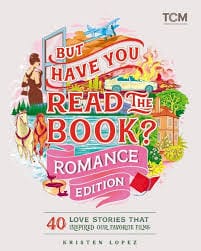
I have a new book dropping on July 28th! It's But Have You Read the Book: Romance Edition! I look at 40 of the most iconic romance novels and their filmic counterparts to show you the changes in between. Preorder your copy now!
The Gold Star Referral Program is Live. Refer Friends, Get Rewards!
Want to Work Together? Improve Your Disability Representation? Learn to Pitch? Book a Consult With Me.


![Renate Reinsve Was Asked Not to Know the Truth in Fjord [Video]](https://storage.ghost.io/c/24/37/24372e80-8819-45cd-8a9d-4dbc679f7337/content/images/size/w600/2026/10/1-3.png)