Wuthering Heights (2026) Review: Jacob Elordi and Margot Robbie Get Extra With Bronte's Novel
Emerald Fennell's latest is an maximalist take for a modern audience

This post is free but it’s worth it to become a paid member of The Film Maven community! Paid subscribers are the backbone of The Film Maven who support independent journalism, as well as female- and disabled-created content. Paid Film Mavens get access to two-three exclusive articles a week including access to my series The Trade and Popcorn Disabilities, as well as the ability to chat with me on The Film Maven's Discord server.
Don't want to commit to a subscription? Leave a tip to show you enjoy what you're reading.
Everyone has opinions on Emerald Fennell's "Wuthering Heights," whether you've read Bronte's book or not, whether you care about seeing the movie, whether or not you're a fan of its leads. Nearly every piece of "Wuthering Heights" has been dissected over the last few months – yes, from me as well – from people examining interviews with Elordi and Robbie for signs of an affair (and, conversely, arguments about them affair-baiting everyone), from discussions about the topic of Heathcliff's race and the Bronte sisters' writing on the subject, to Fennell's use of quotation marks in the title.
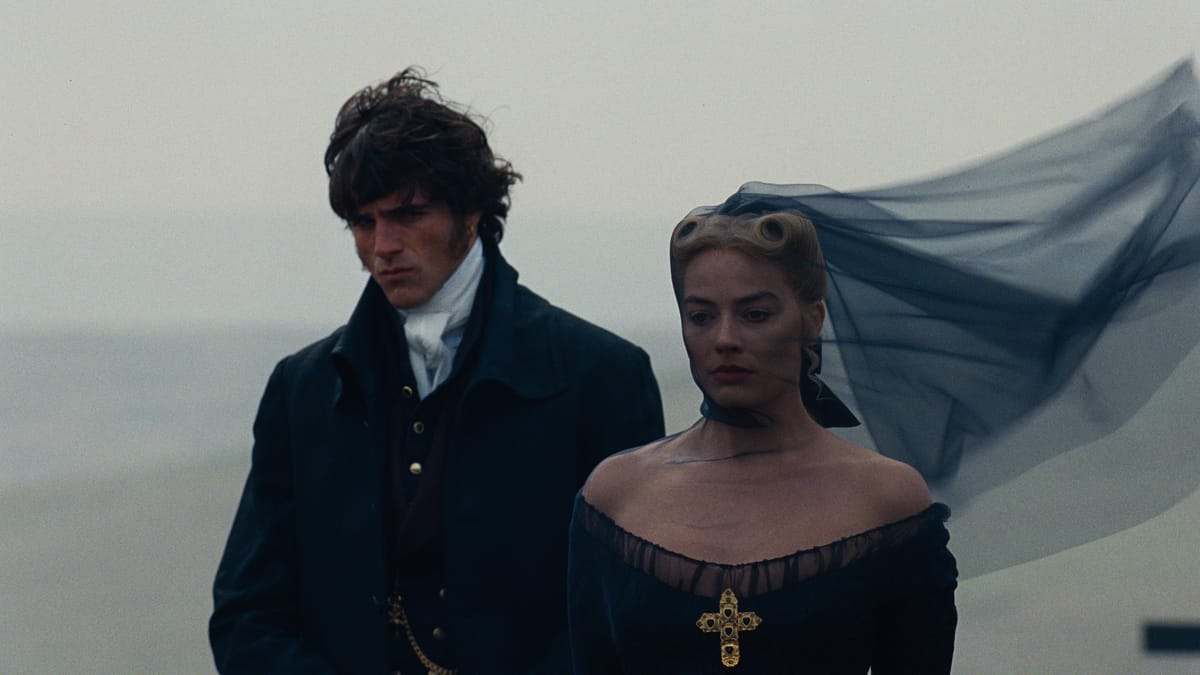
The awareness campaign for the movie couldn't be higher, but the question remains: Is the movie any good? If you looked at the swath of influencer reviews of the movie many of them are giving an enthusiastic yes, even if they're adding weak caveats of being "honest." And there is certainly plenty going for the movie to recommend it. Fennell's ultra maximalist take makes it one of the most sumptuous, lovely, eye-catching movies of 2026. This is a dazzling feast for the eyes, and that's just exclusive to Jacqueline Durran's costumes, Suzie Davies' production design, or the beauty of Elordi and Robbie themselves.
What results is a lush take Bronte's novel that keeps to the spirit of the book, as well as the majority of the plot beats from the first half of the novel, while making the narrative changes of time and character compression of past adaptations. Robbie, Elordi and Alison Oliver, especially, thrive in Bronte's messy world of hurt people who hurt people, with a hefty amount of Fennell's penchant for the sexual.
The timeless story of the relationship between Catherine and Heathcliff (Robbie and Elordi, respectively) starts when they are children (wonderfully played by Charlotte Mellington and Owen Cooper). The opening sequence is very Fennell in its overt, extreme garishness. Cathy watches a man hang during "Hanging Day," a moment that turns everyone seemingly into wanton, feral lunatics as the pulsing beat of John Cale and Charli xcx's "House" plays. One would be inclined to believe that, like Fennell's Saltburn, this would lead to an extremely grotesque adaptation but, if anything, there's little of Saltburn found in this movie (if that's why you're going, prep for disappointment).
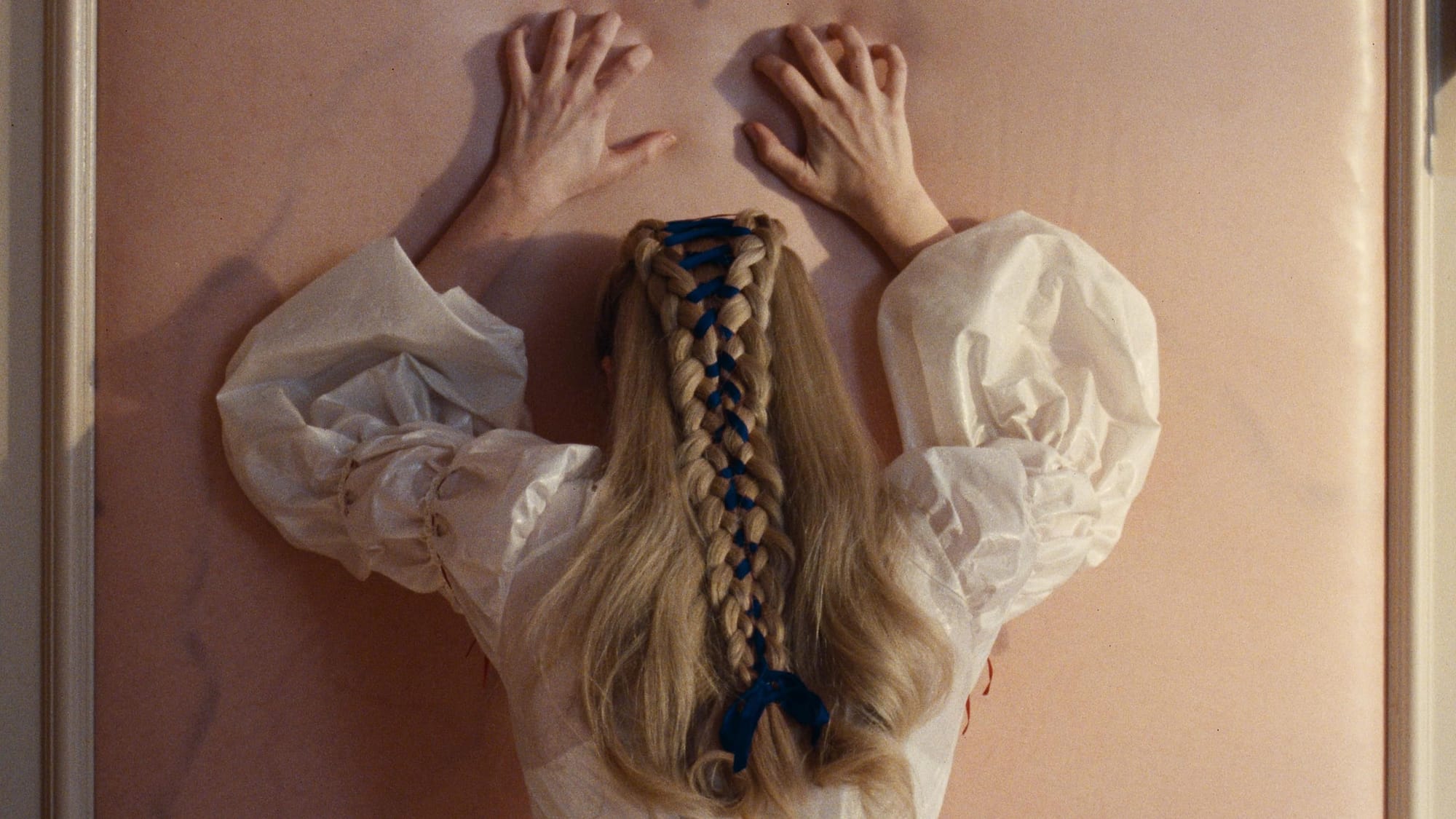
Even the sex, relegated to the middle of the movie after Catherine's marriage to Edgar Linton (Shazad Latif) is present yet tame in comparison to other movies like the more recent Pillion. Funnily enough, this movie briefly flirts with some type of BDSM moment involving a horse bridle and a whip, but it's a one and done. Fennell has cited a sequence of Robbie on a rock as being akin to Barry Keoghan's tub drain moment in Saltburn and, sorry, but there's nothing to that level of bizarre in this movie. If anything, "Wuthering Heights" works best when Fennell isn't going all in on those things. The typical Fennell trappings of hands going into fish mouths, kneading dough, etc. are inconsistently used and just feel like fan service.
Fennell, Davies, and crew return to the opulence of the MGM era for their take, blending location filming with overt uses of matte paintings and other studio trappings. Cathy walks through the bowels of her home, Thrushcross Grange, with epic, craggy gray peaks closing in all around her. Later, when she is caught spying on the Lintons and tries to compose herself before being discovered, Edgar opening the garden door is as bright and composed as Dorothy entering Oz, a clear reference for the sequence.
"But what about Bronte's novel?" you ask. As someone who has written a book on adaptations – which, shameless plug, includes the 1939 interpretation of the book – I ascribe to George Bluestone's theory from Novels Into Film: A great adaptation is one where "the film stands up as an autonomous work of art. Not whether the filmmaker has respected his model, but whether he has respected his own vision."
For me, if the book and the movie can stand up as independent of each other, wherein one loses nothing through the existence of the other but can be enjoyed as separate entities, than its successful. Fennell certainly ascribes to her own vision 100% as well as creating a movie that, if anything, makes you want to read the novel (if only to read the entire back half most screenwriters excise from their adaptations). Cathy's brother Hindley is excised and combined with the drunken Earnshaw (Martin Clunes), Cathy's abusive father who, in this version, adopts Heathcliff out of righteous indignation because he is Such Good People.
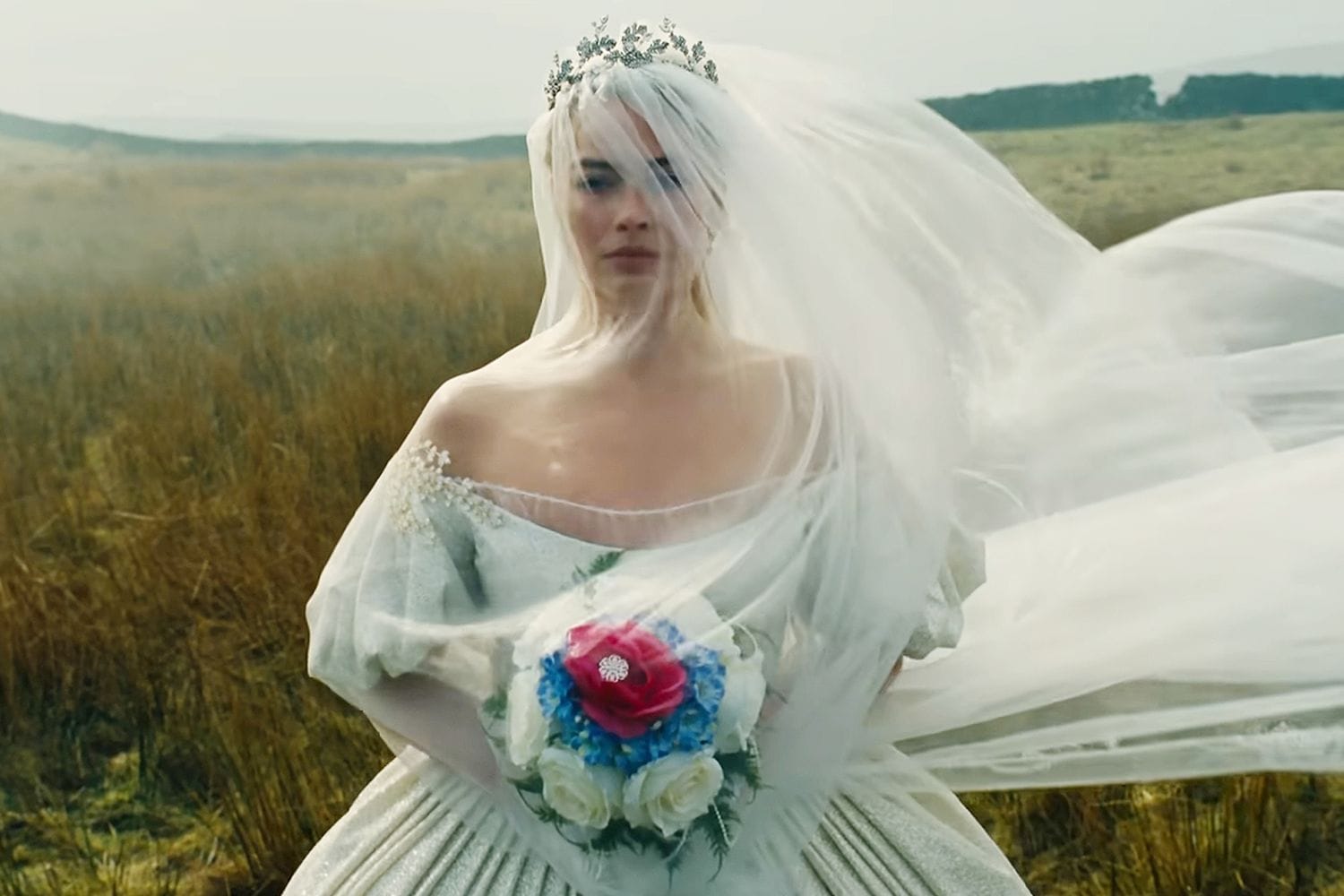
Fennell's script is like taking a walk in the woods, it wanders but never feels lacking in direction. From the minute Catherine and Heathcliff meet as children, their doomed love story fuels the momentum of the story. Mellington and Cooper are perfect, though the movie doesn't give them as much time you'd hope. Once they're grown, Robbie and Elordi add a percussive quality in how forcefully they exaggerate Catherine and Heathcliff's qualities, playing characters who never fully grew out of their childlike faults. Robbie nails Catherine's inherent obnoxiousness, playing her as a petulant young woman desperate for something to happen in life that doesn't involve her declaring she will die...and not doing so. (There's also a fun little line from Earnshaw to explain away the 35-year-old actress playing the character which I appreciated.)
For a book told entirely in flashback, the movie firmly sets this as Catherine's story with Robbie in nearly every scene. Even once Heathcliff disappears to make his fortune, a series of time jumps shows us Catherine's suffocating new life at the Lintons wherein the only thing that seems to change are her costumes. For Fennell, it's clear this is a story of not only love but female oppression, with Catherine the beautiful dove who doesn't know what she wants but clearly comes to realize she wants more than money. Latif's Edgar Linton is probably the weakest written of the characters, little more than the kindhearted welp (the Bill Pullman, Ralph Bellamy, etc. if this was another movie) who truly loves Catherine but lacks anything exciting in his personality.
That excitement is found in Heathcliff, the rough and broody man of the moors. Having recently played Frankenstein's monster, and having an Oscar nomination for it, it's easy to see why Fennell decided to reunite with Jacob Elordi for this part. Why not have America's #1 heartthrob play one of the most deconstructed bad boyfriends of all time? Elordi is solid in the role that Fennell has crafted and cinematographer Linus Sandgren makes him look as gorgeous as everything else around him. Elordi engages in all manner of dashing leading man mien, from clambering into windows in a clinging frilly shirt to using a lot of tongue in various kissing scenes. If you've got the Elordi fever this might be the cure...or cause you to combust (either way).
But the MVP is Alison Oliver as Isabella Linton, the shy, doll-crafting ward (not sister, as in the book) to Edgar Linton. Oliver is a master at giving Isabella a dark humor, whether it's in her dollhouse compositions or her eventual marriage to Heathcliffe that warrants a longer movie all its own. If you ever thought Isabella Linton was just a mid girl on the page, this is where Fennell's own though processes shine. Similarly, Hong Chau's take on Nelly Dean, the housemaid who tells the story in the novel. Nelly gets an enhanced backstory of being a lord's daughter hired as a lady's companion for Catherine. It's meant to work as a contrast to Heathcliff's story, furthering the narrative of class distinctions Fennell is deciding to work with. But Chau makes the character so compassionate, even when she's being horrible to other characters.
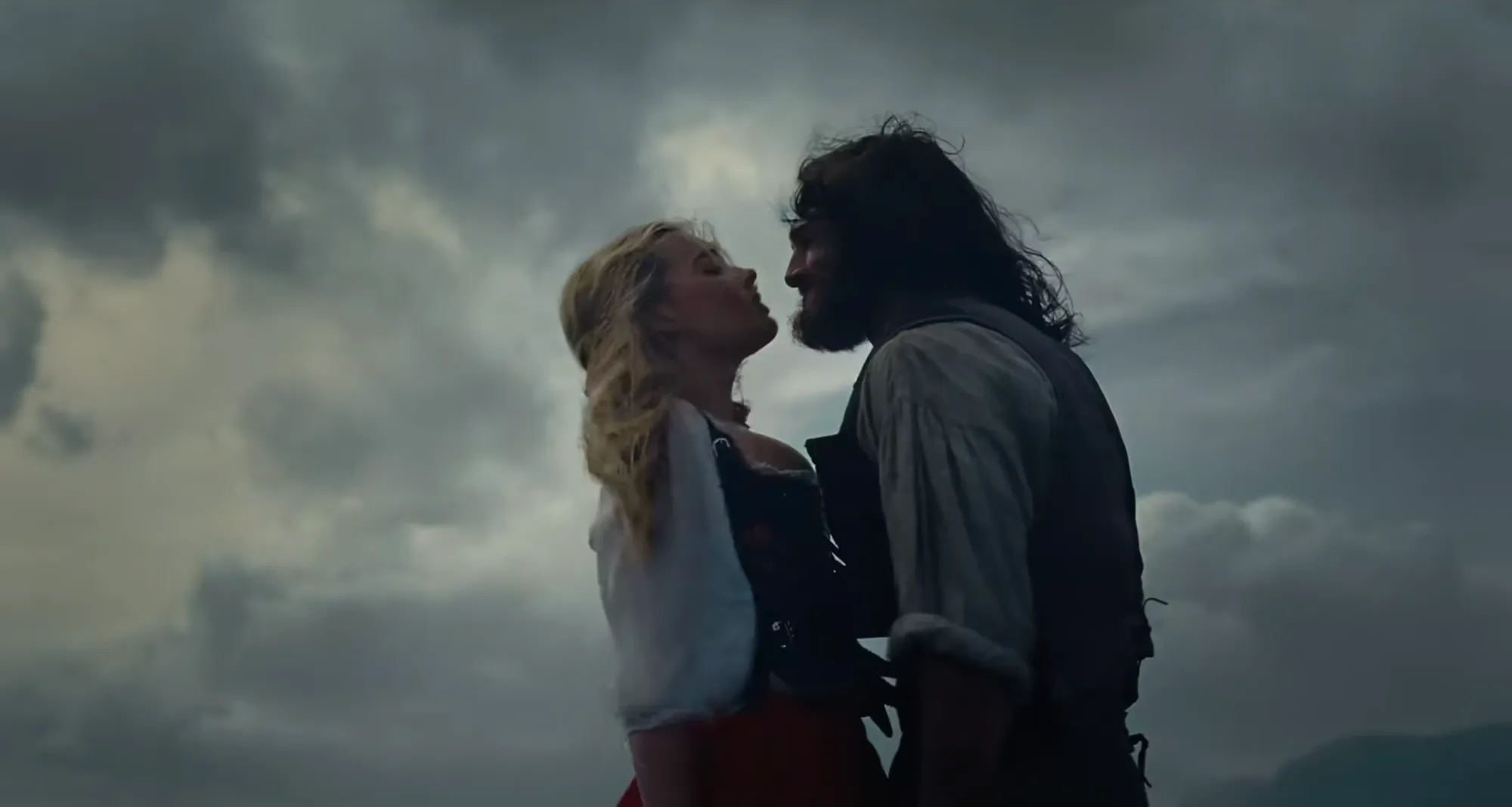
That being said, there's a real segmented element to the script and editing, that cuts the movie far too cleanly into specific sections. There's the "when they're kids section," "Heathcliff and Cathy fall in love," "the bodice ripper section." Nothing feels particularly seamless as it does a series of beats with the thread of Cathy and Heathcliff's love knitting them all together. No one segment is particularly bad, but it does make the movie one where you could fast forward to what you want out of it particularly the middle of the movie which goes all in on Catherine and Heathcliff having beautifully composed sex in a variety of places.
Trailers for the movie has positioned "Wuthering Heights" as "the greatest love story of all time," and while there is a level of romance to it, Bronte wrote what amounts to a Gothic tragedy and Fennell does at least give us that. Some of the most breathtaking images in the movie come from Catherine's eventual descent into what happens to her character at the end. (Though, the narrative does put a definitive ending on things to explain cutting the book's second half which I appreciated.) A sequence of fleeing leeches is one that is now seared into my brain. I've gone back and forth on how Fennell chose to end the narrative, emphasizing less the romantic swoon of the novel and more the Shakespearean tragedy of Catherine and Heathcliff. It'll definitely be a moment for book people to come together and argue over.
As someone who has griped for months over this movie, I was surprised that I walked away from "Wuthering Heights" liking it as much as I did. The outrageous beauty and opulence of the movie props up a lot, as do Robbie and Elordi. This feels like a Wuthering Heights for our current era. One that is both contemporary yet hearkening back to a classic filmmaking style. The soul of the novel is there and "Wuthering Heights" stands on its own as yet another great adaptation of Bronte's novel.
Grade: B
"Wuthering Heights" is in theaters Friday.